

As I hold this edition in my hands, I’m struck by a profound sense of awe. The weight, the texture of the embossed cover, the rich color of the paper, and the care taken in every detail all signal that this is no ordinary publication. G. Henle’s 2024 facsimile edition of Bach’s Sonata in B Minor, BWV 1030, is more than a score – it’s a work of art. The experience of opening it feels reverent, like being granted access to something sacred and timeless.
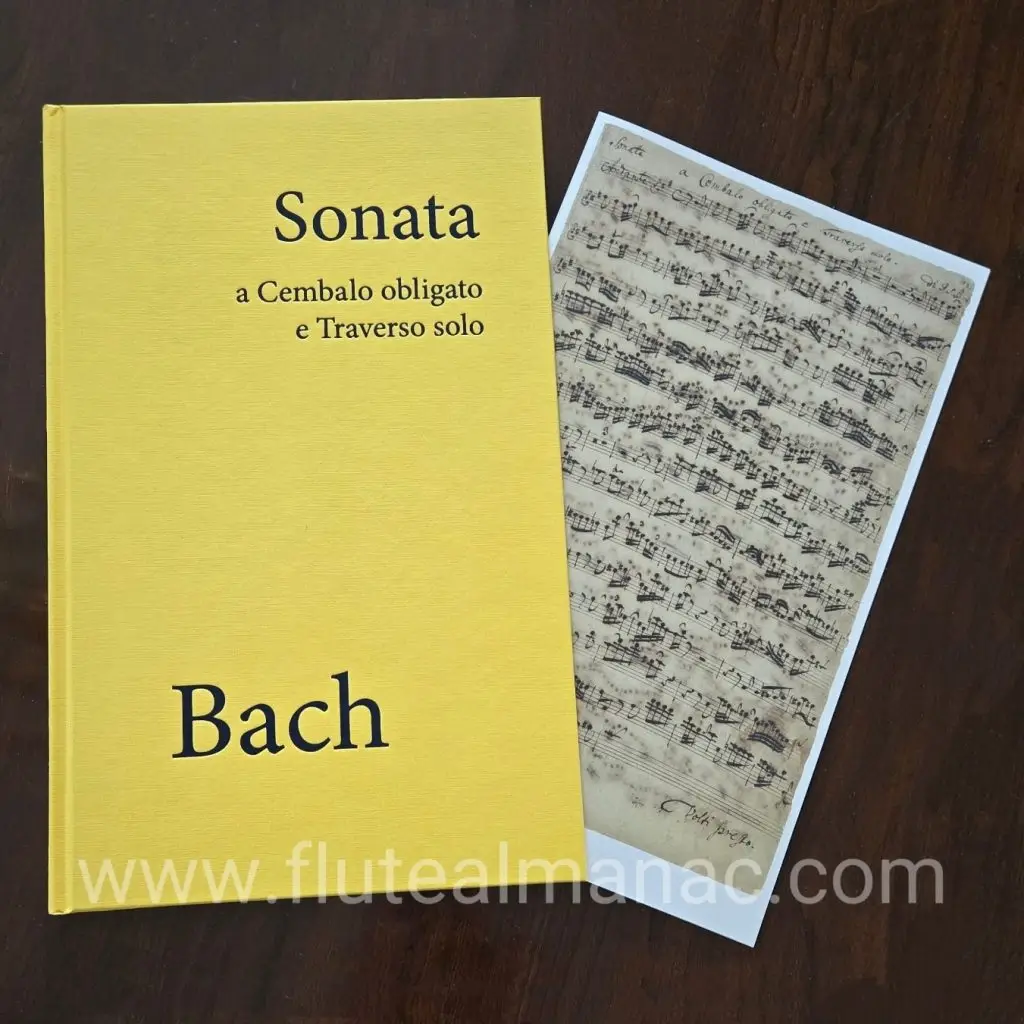
Johann Sebastian Bach’s Sonata in B Minor, BWV 1030, has long been revered as one of the crown jewels of the flute repertoire. With its vast architectural sweep, richly contrapuntal textures, and poetic intimacy, it challenges and rewards performers on every level. Now, in a 2024 release, G. Henle Verlag has unveiled a deluxe facsimile edition that not only presents the music but enshrines it.
A Masterpiece Reimagined in Print
This edition, produced in collaboration with the Staatsbibliothek zu Berlin, is centered on Bach’s autograph manuscript (Mus.ms. Bach P 975) — an extraordinary document that reflects not just the composer’s hand, but his evolving compositional process. The publication arrives housed in a sturdy slipcase and bound in textured mustard-yellow cover stock with understated yet elegant typography. The embossed title Sonata a Cembalo obligato e Traverso solo – Bach on the front cover evokes a sense of timeless gravitas, while the luxurious paper inside supports high-resolution, full-color reproductions of the original manuscript. It is a visual and tactile homage to one of Bach’s most celebrated chamber works.
The edition is fully bilingual, with each scholarly essay and commentary presented first in German and then in English, making it accessible to a broad international readership without sacrificing academic depth.
Beyond a Facsimile: A Window into Bach’s Workshop
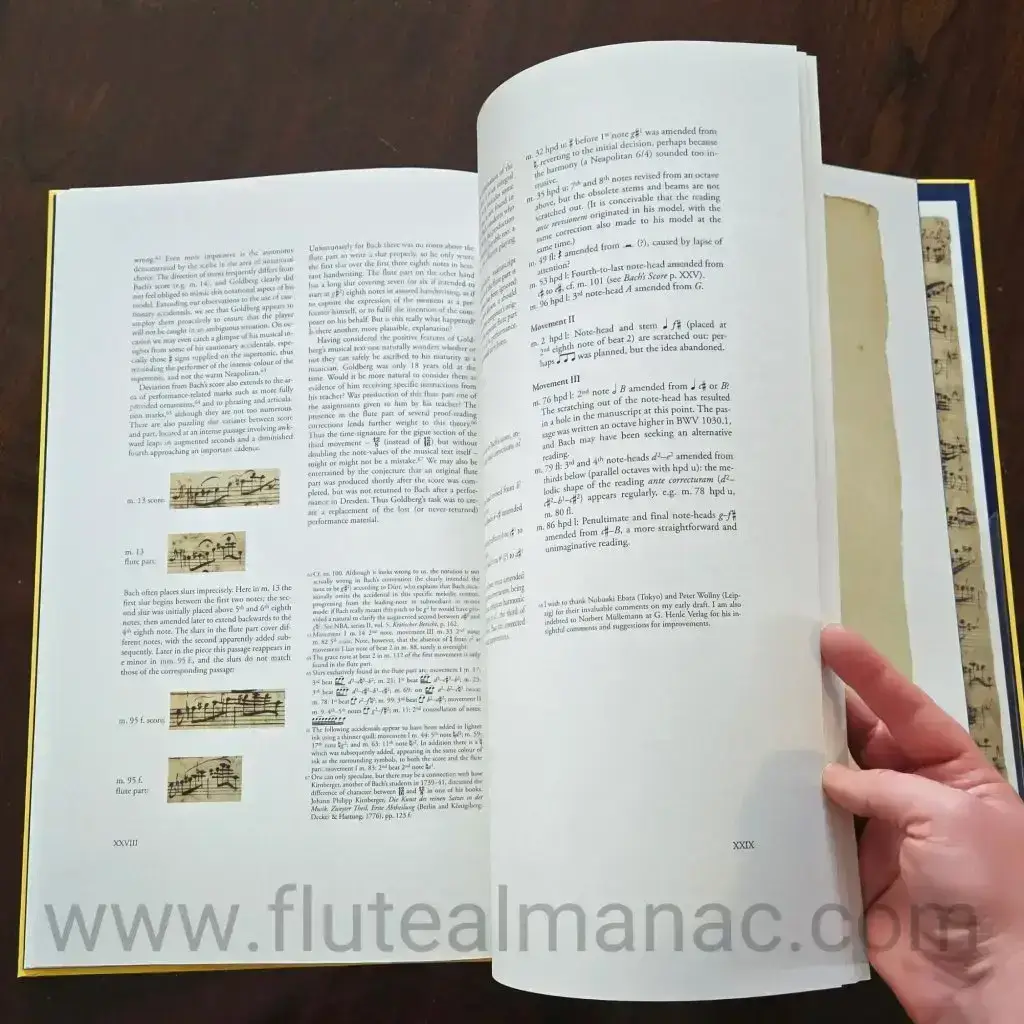
What sets this edition apart is the scholarly apparatus accompanying the manuscript. Musicologist Yo Tomita’s extensive commentary reads like a detective narrative, unfolding the genesis, structure, and performance history of the sonata with remarkable clarity. He invites the reader to consider this not simply as a fair copy, but as a document caught in the act of revision. The manuscript, thought to have been written around 1736-37, bears multiple corrections – some subtle, others dramatic – suggesting that Bach was actively refining the piece as he copied it.
Tomita explores the fascinating hypothesis that the work may have originated in G minor and for a different instrument entirely. Numerous pitch alterations, layout inconsistencies, and even partially revised or discarded ideas provide evidence of transposition and adaptation in process. These clues, analyzed across sources P 975 and P 1008, underscore how much of Bach’s creative labor is preserved on the page.
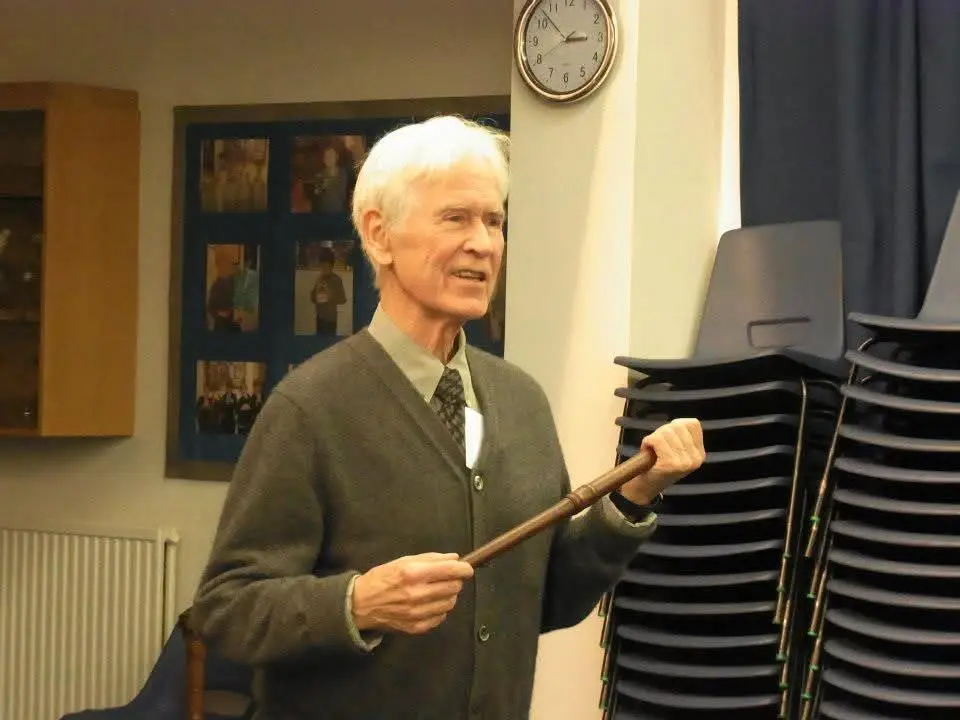
Prof. Yo Tomita, one of the foremost scholars in Bach studies today. He is Professor of Musicology at the School of Creative Arts, Queen’s University Belfast, Northern Ireland, and a Senior Fellow at the Bach-Archiv Leipzig. With a doctorate from the University of Leeds (1991) focused on the sources of The Well-Tempered Clavier, Part II, Tomita has published extensively on Bach’s compositional processes, manuscript transmission, and the reception of his music into the 19th century. His ongoing major projects include The Genesis and Early History of Bach’s Well-Tempered Clavier, Book II (Ashgate), Exploring Bach’s B-minor Mass (Cambridge University Press), and The Cambridge Bach Encyclopedia. His deep expertise shines throughout this edition, offering readers fresh insights into BWV 1030’s origins, revisions, and performance history.
The Flute Part: Goldberg’s Silent Collaboration


Equally revelatory is the inclusion of the separate flute part (enclosed in the back pocket of the hard cover), copied not by Bach but by one of his most intriguing pupils: Johann Gottlieb Goldberg – yes, the very same prodigy who would later inspire the Goldberg Variations. Identified through meticulous handwriting and paper analysis, Goldberg’s part offers further insight into Bach’s intentions. His careful corrections, addition of performance markings, and even the use of cautionary accidentals point to a young musician already steeped in Bach’s world.
The musical text of the flute part contains its own story: slurs appear in different placements, ornaments are added, and subtle phrasing choices diverge from the score. These interpretive fingerprints reflect a performer working closely under the composer’s guidance – or perhaps responding directly to his expectations. In some places, Goldberg even used cautionary accidentals not found in the score, perhaps to clarify chromatic nuances or to assert interpretive independence.
This loose reproduction of the full manuscript score allows for closer examination, offering musicians and scholars a hands-on, unobstructed view of Bach’s autograph, perfect for study or display.
A Facsimile Brought to Life
Visually, the facsimile is breathtaking. Each page of the manuscript is faithfully reproduced in color, revealing the texture of the paper, the fluidity of Bach’s penmanship, and the depth of the ink. Small details – such as smudges, marginal annotations, and changes in quill pressure – offer an intimate glimpse into the composer’s hand at work. One can even observe moments of hesitation and decisiveness, as Bach strikes through one reading in favor of another.
For instance, in Movement I, measure 24, Bach revises a harmonically awkward chord by altering the voicing; in Movement III, measure 86, he abandons a more imaginative, complex chord in favor of a simpler realization. These edits offer a rare glimpse into the decision-making of a great musical mind and the balance between clarity, practicality, and artistic instinct.
Of particular interest are the paper conservation efforts documented by Martina Rebmann in the final section. We learn that this manuscript underwent complex restoration, including paper-splitting, removal of silk overlays, and stabilization of iron gall ink corrosion. Thanks to the support of private donors and the “Bach Patronage” initiative, the autograph has not only been preserved but made publicly accessible at the Staatsbibliothek zu Berlin. The care taken to restore and digitize the work ensures that both performers and scholars can engage with it in its most authentic form.
A Must-Have for Scholars and Flutists Alike
This is not just a collector’s item – it is an essential edition for performers, teachers, and Bach scholars. The editorial insights offer new angles for interpretation, while the material presentation invites reverent study. Henle’s 2024 Sonata in B Minor facsimile edition succeeds in doing what few editions achieve: it bridges the gap between archival object and living performance practice.
For anyone serious about understanding this sonata – not just playing it, but understanding it – this edition is indispensable. It reminds us that even in his cleanest manuscripts, Bach was never done thinking.
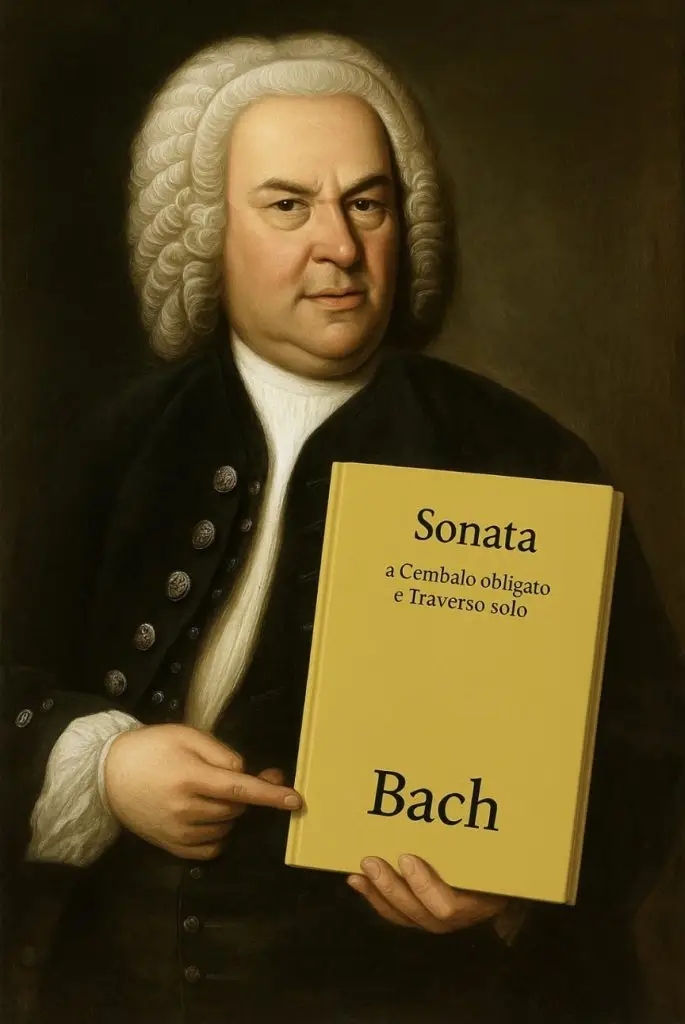
This edition stands apart not only for its scholarly rigor but for the sheer quality of its presentation. Rarely – if ever – has a facsimile of a flute work been treated with such reverence, combining state-of-the-art preservation methods, bilingual critical essays, and a high-resolution insert of the autograph manuscript. It is as much a historical artifact as it is a performance resource, setting a new benchmark in the publication of Baroque music.
Where to Purchase
G. Henle’s deluxe facsimile edition of Sonata in B Minor, BWV 1030 is available through major music retailers. For readers in the United States, the edition can be purchased through Hal Leonard. European readers can order directly from the G. Henle Verlag website, where more details about the edition and sample pages are also available.

Qué interesante dato! Qué maravilla que nuevos estudiosos de obras originales – en esta ocasión, de una de las obras más hermosas compuestas para flauta y cembalo-esté a disposición de los amantes de la flauta y sobre todo, de los estudiosos más rigurosos de la veracidad de la fuente músical. Gracias Yulia por tan hermoso artículo.