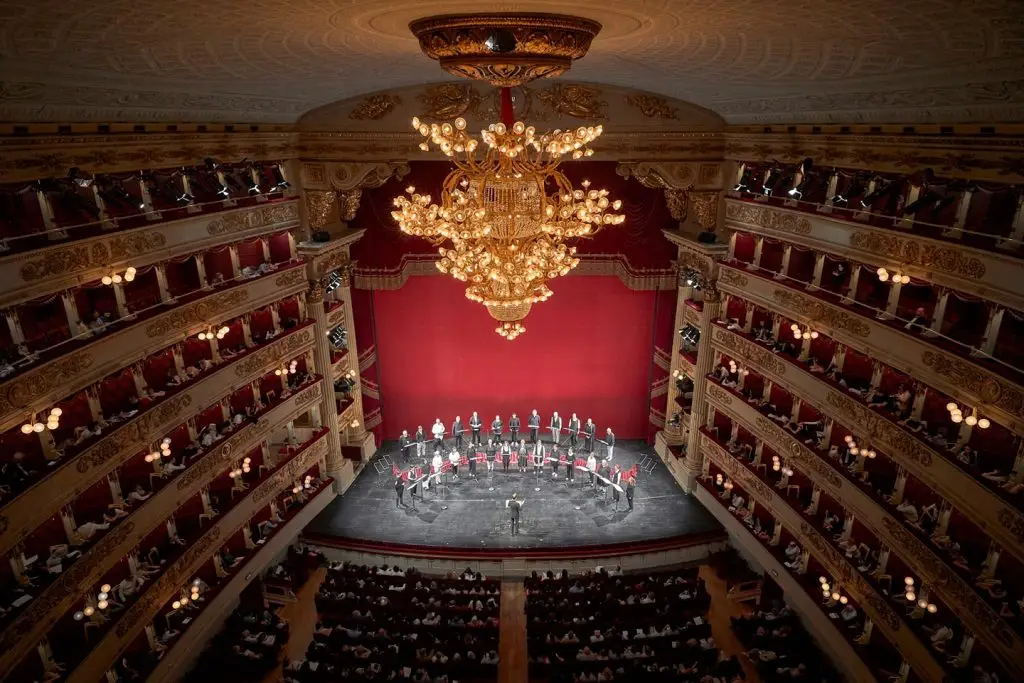
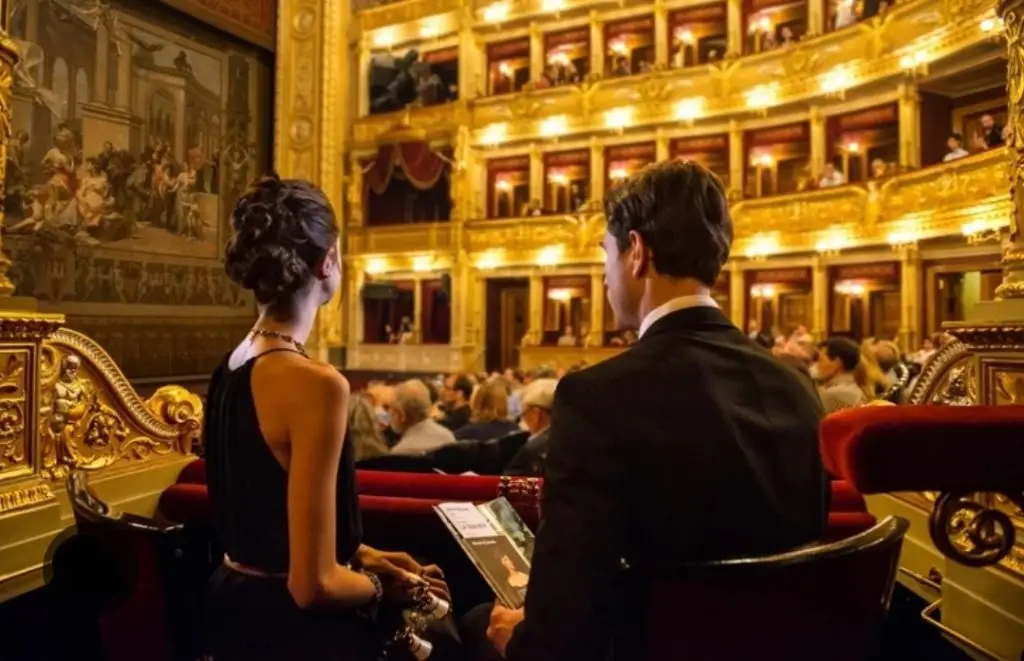
In a bold and timely move, Milan’s legendary Teatro alla Scala has announced a renewed enforcement of its dress code, reminding audiences that the concert hall is not a beachside café – but a sacred space of artistry and tradition.
New signage posted at entrances and ticket counters now declares:
“The public is kindly requested to dress in keeping with the decorum of the Theatre, out of respect for the Theatre and for other viewers. People wearing shorts or sleeveless T-shirts will not be allowed inside the auditorium; in this case, tickets will not be reimbursed.”
The decision comes from Fortunato Ortombina, the newly appointed General Director, and marks a distinct departure from the relaxed policies of previous administrations. While past leaders emphasized accessibility, Ortombina signals a rebalancing – where inclusion need not come at the cost of reverence.
In an official statement, La Scala explained,
“The Management invites the public to choose clothing that is appropriate to the decorum of the Theater, respecting the Theater itself and other spectators.”
For many in the classical music world – including professional musicians, educators, and students – this decision feels not only welcome, but necessary.
Why It Matters to the Flute Community



Flutists know well the discipline and elegance required to perform even the most delicate line of Debussy or the fire of Prokofiev. A concert is not just a sonic experience – it is a ritual. The silence before the first note, the unified breath of an orchestra, the bow after the final cadence – each gesture matters.
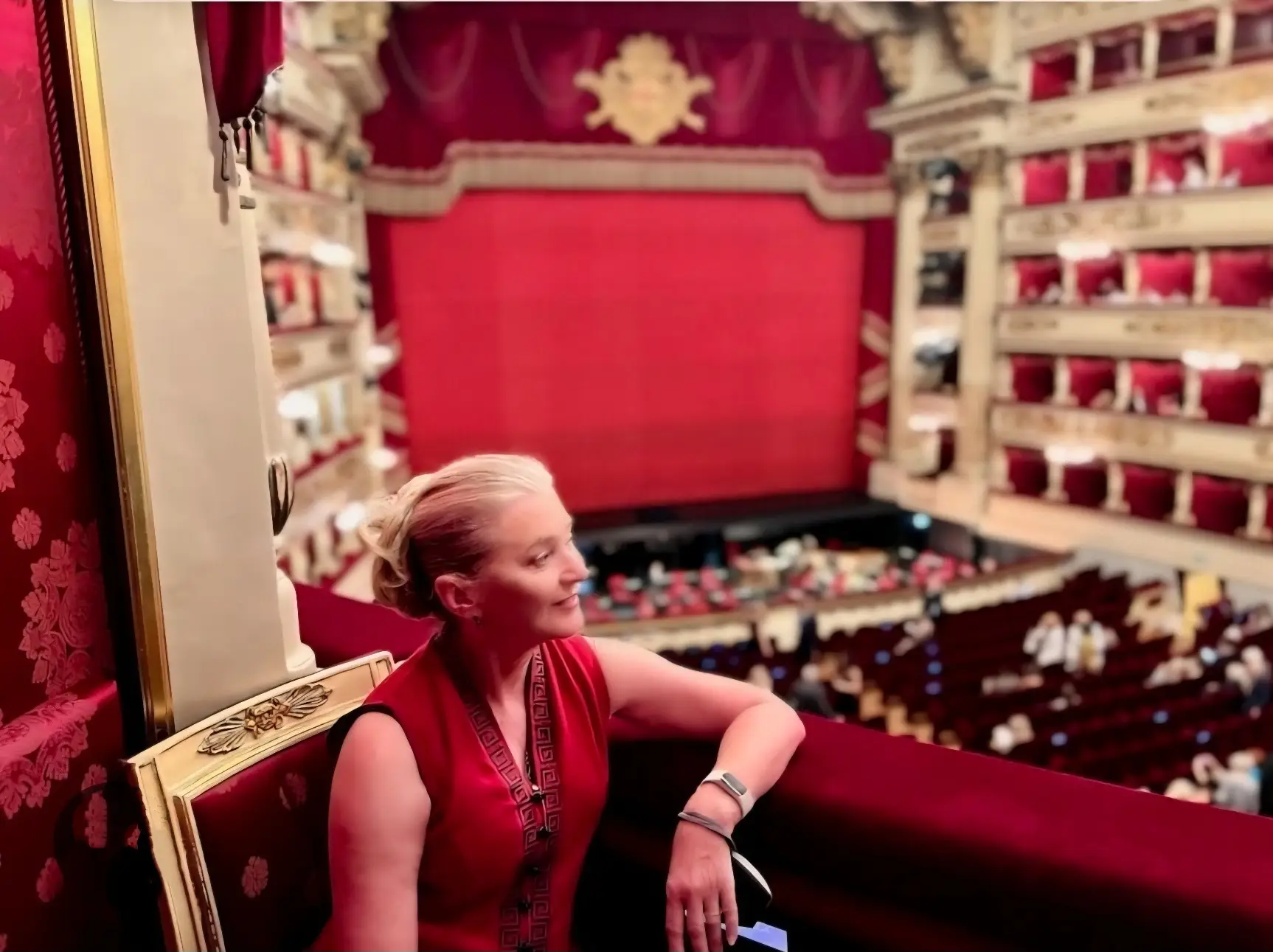
When audiences arrive in flip-flops and tank tops, a signal is sent: that what happens on stage is not worthy of the same care and consideration as a fine dinner, a wedding, or a ceremony. It undermines not only tradition, but also the lifelong labor of musicians who prepare with care and discipline.
As flutists, we spend years shaping tone, polishing technique, and respecting the composers we serve. The atmosphere of a concert hall should mirror that devotion – not dismiss it.
Other Institutions Responding
La Scala is not alone in confronting the erosion of concert decorum. In Vienna, the Musikverein maintains its traditional expectations for attire, particularly for its famed New Year’s Concert. The Berlin Philharmonie encourages “neat and respectful” clothing, especially for evening events. Even Carnegie Hall notes on its website that “business attire is appreciated” for most concerts.
In 2023, a small German chamber series drew headlines for refusing entry to a group of tourists wearing beachwear, despite their tickets being valid. And while some critics accused these institutions of elitism, many musicians and concertgoers applauded the efforts to protect the sanctity of classical performance.
Finding the Balance
This is not a call for tuxedos and tiaras at every student recital or flute fair. Nor is it an attempt to gatekeep audiences based on appearance. Rather, it’s a simple and powerful idea: Respect the art you are coming to witness.
That respect begins with listening – but it’s visible long before the music starts.
Final Thoughts
In a time when concert etiquette is often overlooked or dismissed, La Scala’s dress code policy invites us to reexamine how we present ourselves as listeners, artists, and ambassadors of classical music. As flutists, let us be part of this movement toward deeper cultural appreciation – not only through our playing, but through the spaces we help uphold.
Would you like to contribute to this conversation?
Flute Almanac welcomes letters from readers about concert etiquette and your experiences in performance settings. Share your thoughts below or write to flutealmanac@gmail.com