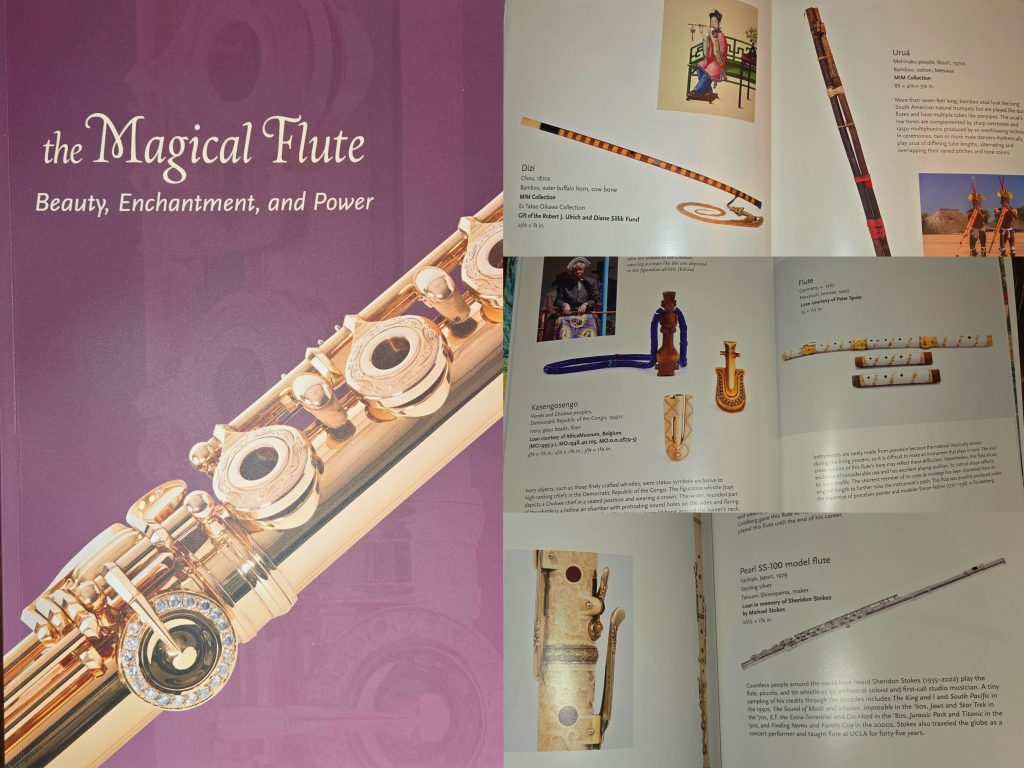
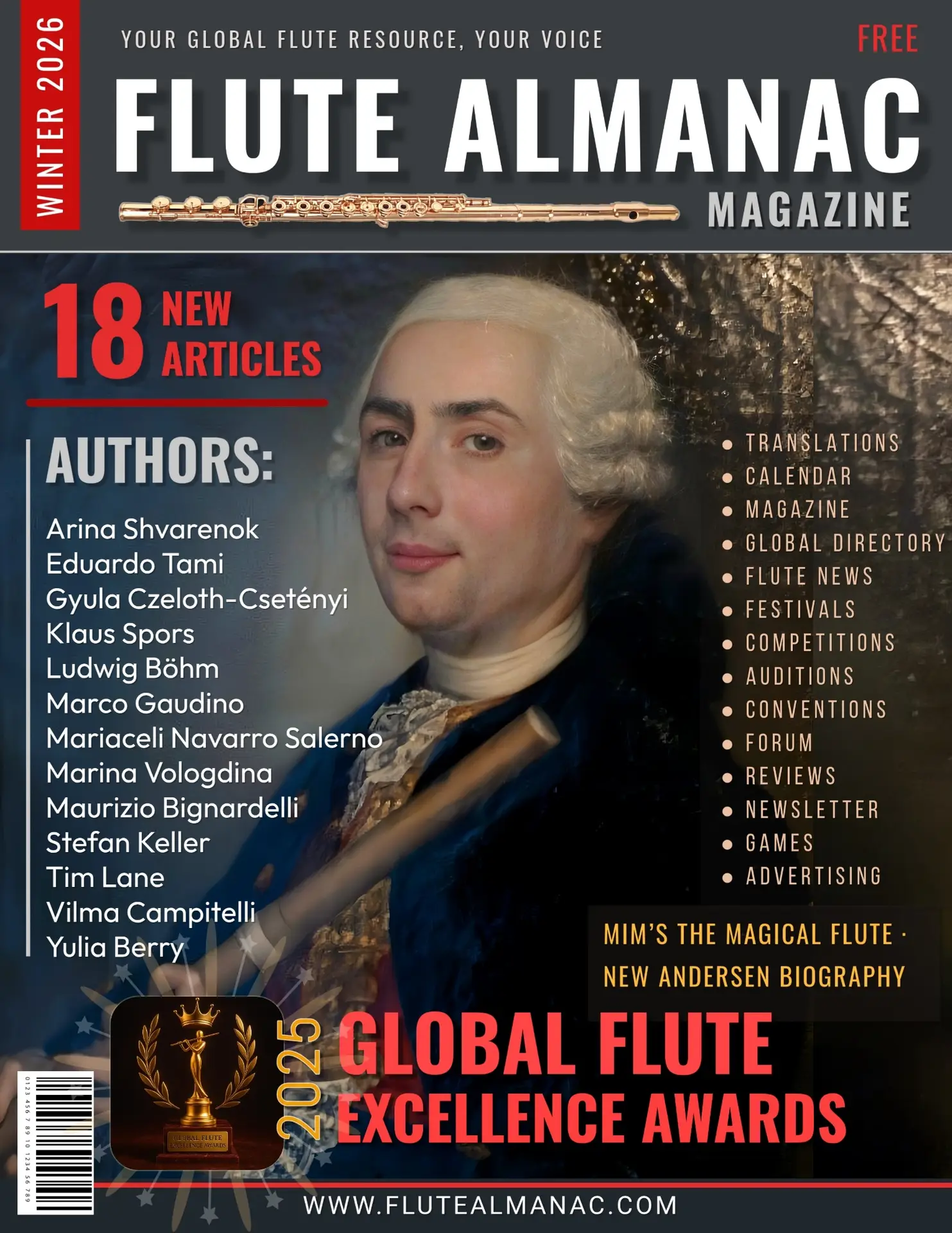
When the Musical Instrument Museum (MIM) in Phoenix opened The Magical Flute: Beauty, Enchantment, and Power, it quietly achieved something unprecedented — a true once-in-a-generation event for the global flute community. Never before has a major international museum brought together such an expansive and culturally diverse constellation of flutes, performance traditions, symbolic histories, and artistic narratives within a single exhibition.
What emerges is not simply a display of instruments, but a resonant, deeply human story — one that spans eight millennia and every inhabited corner of the world. From prehistoric ritual objects to instruments played by today’s most influential artists, The Magical Flute reveals the flute as one of humanity’s most enduring companions: an instrument that transforms breath itself into meaning, beauty, enchantment, and power.
A Vision Rooted in Human Experience
At the heart of The Magical Flute lies a curatorial vision grounded in a fundamental idea: across cultures and time, humans have used flutes to express the full range of human experience — from courtship and ceremony to spirituality, storytelling, and communication with the unseen.
As articulated by curator Eddie Chia-Hao Hsu, the exhibition’s conceptual framework centers on the flute’s unique ability to turn breath — a universal symbol of life force — directly into sound. This physical and symbolic immediacy gives the flute a special expressive role across societies, allowing it to serve not merely as a musical tool, but as a vessel of identity, imagination, and belief.
The exhibition’s title — Beauty, Enchantment, and Power — is not poetic embellishment, but a precise curatorial lens. Beauty reflects the instrument’s form, craftsmanship, and sonic refinement. Enchantment speaks to the flute’s ability to captivate, seduce, and transport. Power addresses its symbolic, social, and spiritual roles — as an object capable of invoking authority, healing, or the supernatural.
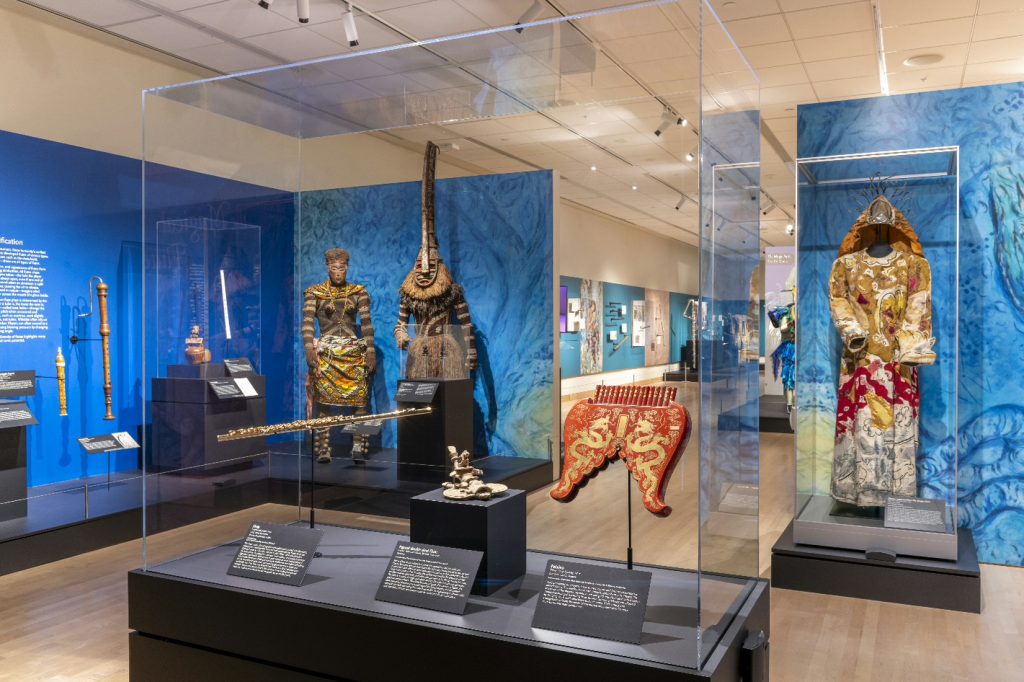
It is no exaggeration to say that this exhibition sets a new standard for how musical instruments can be understood and presented.
Worlds Before History: The Earliest Flutes
The journey begins long before written history, with instruments that testify to humanity’s earliest creative impulses. Among the most extraordinary objects on view is an approximately 8,000-year-old yue flute from the Xinglongwa culture of northeast China, crafted from a vulture’s wing bone. Though its precise function remains unknown, its existence alone confirms that prehistoric communities were already shaping sound as a means of expression, ritual, or communication.
Nearby, other bone flutes underscore a profound relationship between sound, nature, and belief. A haunting dancers rattle made of 17 pelican-bone flutes worn across the dancer’s chest to announce the start of a ceremony underscores the instrument’s place in ritual identity.
Across cultures, bird-bone flutes appear repeatedly — their materials and symbolism suggesting flight, transformation, and connection with ancestral or spiritual realms. These instruments are not simply archaeological remnants; they are living echoes of humanity’s earliest attempts to give voice to emotion and meaning through breath.
Flutes as Symbols of Status, Authority, and Identity
Across civilizations, flutes have served not only as musical instruments, but also as powerful symbols of prestige, authority, and lineage. Crafted from rare materials and associated with elite contexts, flutes frequently functioned as markers of social standing, intellectual cultivation, and cultural refinement.
One of the most striking examples in the exhibition is the pairing of an Edo period Japanese miyogiri flute with samurai suit of armor. Both objects bare the same golden chō-mon butterfly crest, indicating their connection to a samurai family of Taira clan lineage. Displayed together, the flute and the armor reveal how musical practice formed part of an elite identity — one grounded in education and cultural sophistication within Japanese warrior culture.
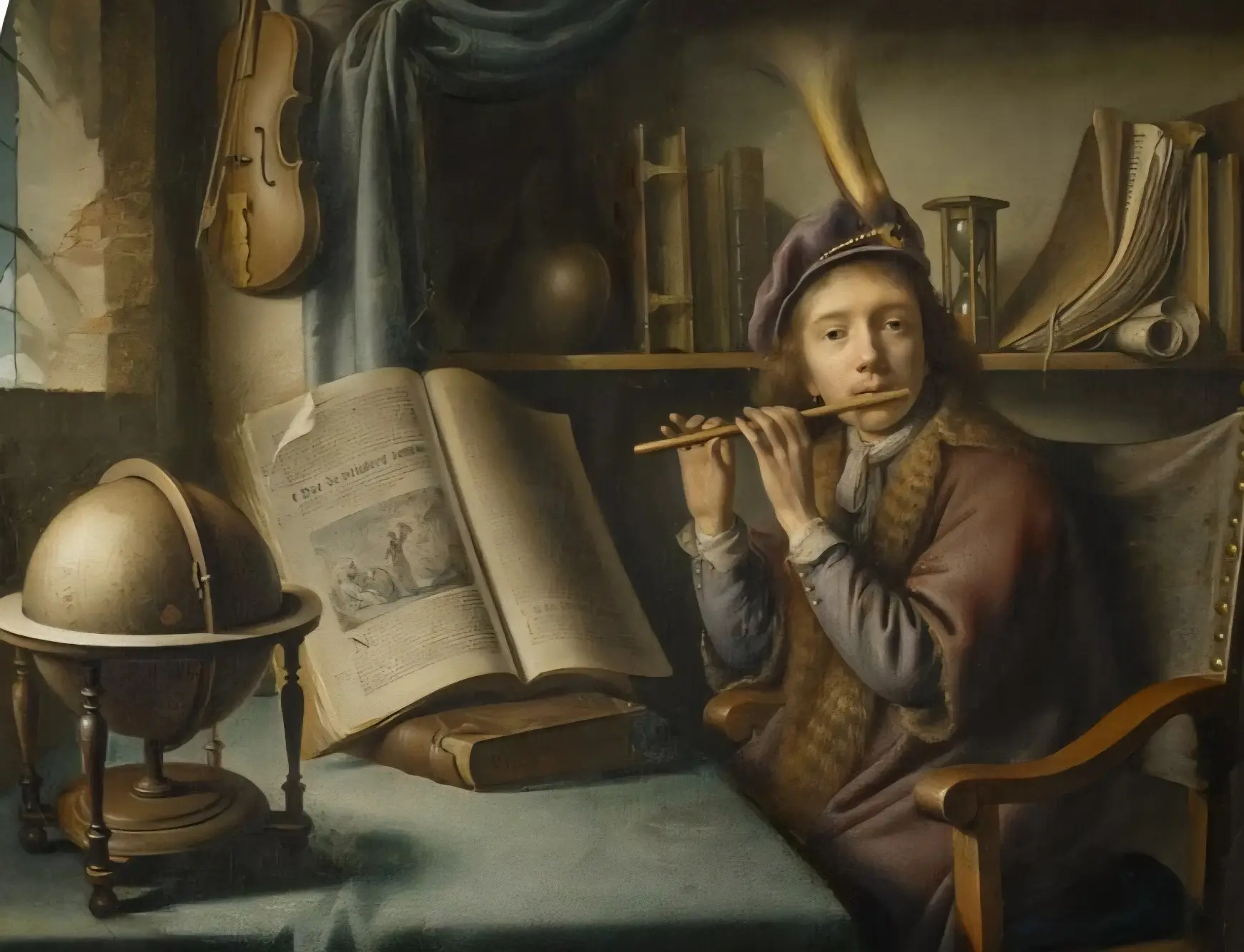
This theme extends far beyond Japan. From the imperial courts of China to the royal households of Europe, flutes were objects of patronage, often commissioned for individuals of rank and influence. A refined paixiao panpipe, an imperial hitoyogiri flute, and finely crafted European court instruments all reflect environments in which music was inseparable from ceremony and learning. Their exceptional craftsmanship speaks to royal sponsorship and the belief that musical mastery was an essential attribute of cultivated leadership.
In these contexts, the flute transcended its role as a sound-producing object. It became a visible emblem of authority and lineage — a symbol of intellectual and moral refinement, and a reminder that music has long been intertwined with power, identity, and cultural continuity.
Spirit, Ritual, and the Supernatural
One of the exhibition’s most compelling dimensions is its exploration of the flute’s spiritual and ritual significance. Across many cultures, flutes were believed to possess powers extending far beyond sound, serving as conduits between the human and the supernatural worlds.
The exhibition presents evocative instruments from the Americas, Africa, and Oceania that played central roles in rites of passage, healing ceremonies, and communication with ancestral spirits. In these contexts, flutes and whistles were often understood as vessels of spiritual force — objects capable of invoking protection, transformation, or authority. Some functioned as emblems of leadership, while others accompanied moments of profound communal or personal transition.
A striking example is a pre-Columbian Vicús vessel whistle from northern Peru (100 BCE–100 CE). Featuring two chambers and designed to produce bird-like warbling sounds when gently rocked with water inside, the instrument exemplifies the seamless fusion of acoustic ingenuity, visual symbolism, and ritual purpose. It demonstrates how ancient makers conceived sound as a living element—animated, responsive, and spiritually charged.
Throughout the exhibition, numerous instruments underscore the flute’s enduring role in spiritual life and ceremonial practice. Among them are the gorgi gala of the Guna people, worn by community leaders as symbols of authority; ceremonial bird-bone flutes associated with rites of passage; and Native American flutes, whose sound traditions are deeply intertwined with healing, landscape, and personal expression.
Together, these objects reveal how flutes have long functioned as more than musical instruments. They mark transitions, heal communities, invoke the presence of spirits, and connect individuals to the sacred — affirming the flute’s place as a powerful agent of meaning within human culture.
Court Elegance and Crafted Beauty
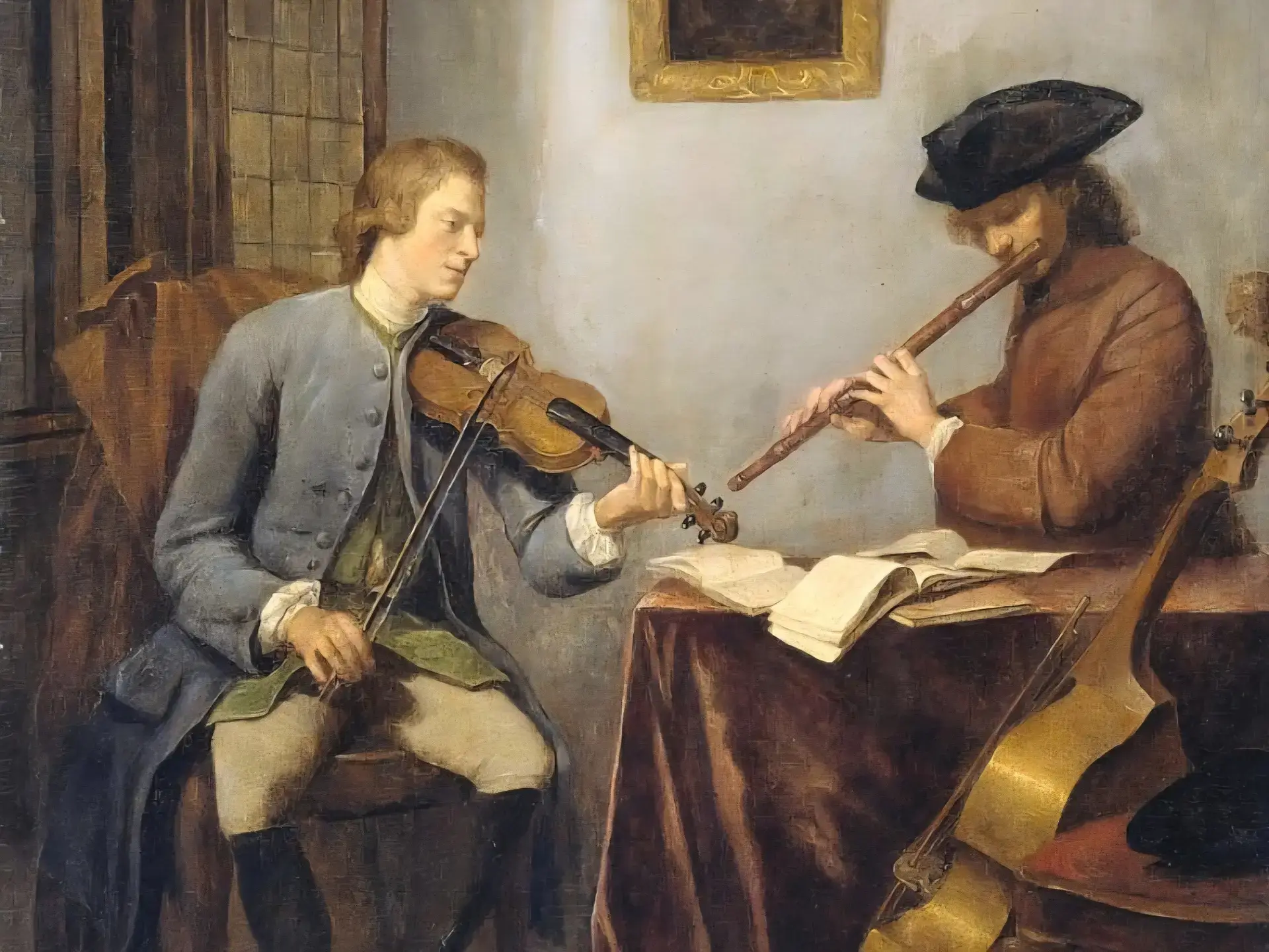


Throughout the exhibition, flutes are presented not merely as instruments, but as works of art in their own right. Bamboo hitoyogiri made for a Japanese emperor, intricately carved Māori flutes from Aotearoa New Zealand, cane flutes shaped by local landscapes, and vividly decorated folk instruments all testify to the imagination, skill, and aesthetic sensitivity of their makers.
These objects embody local knowledge, environmental awareness, and cultural values, transforming humble natural materials into instruments of remarkable beauty. In this context, the flute becomes a visual and symbolic canvas—one onto which societies project their ideals, beliefs, and artistic sensibilities.
One of the great strengths of The Magical Flute lies in the way it consistently invites visitors to see flutes as artistic creations as much as musical tools. Moving through the exhibition, visitors encounter a rich variety of forms and styles, including:
- A bamboo hitoyogiri crafted for Emperor Go-Daigo in 14th-century Japan
- Finely carved Māori flutes from Aotearoa New Zealand
- Cane flutes whose colors and textures echo the landscapes from which they emerged
- Beautifully decorated folk flutes bearing motifs drawn from everyday life and artistic tradition
Each instrument stands as a unique expression of craftsmanship and imagination — a tangible reflection of the environment, values, and artistic traditions of the culture that created it.
The Modern Flute Revolution: Boehm and Transformation
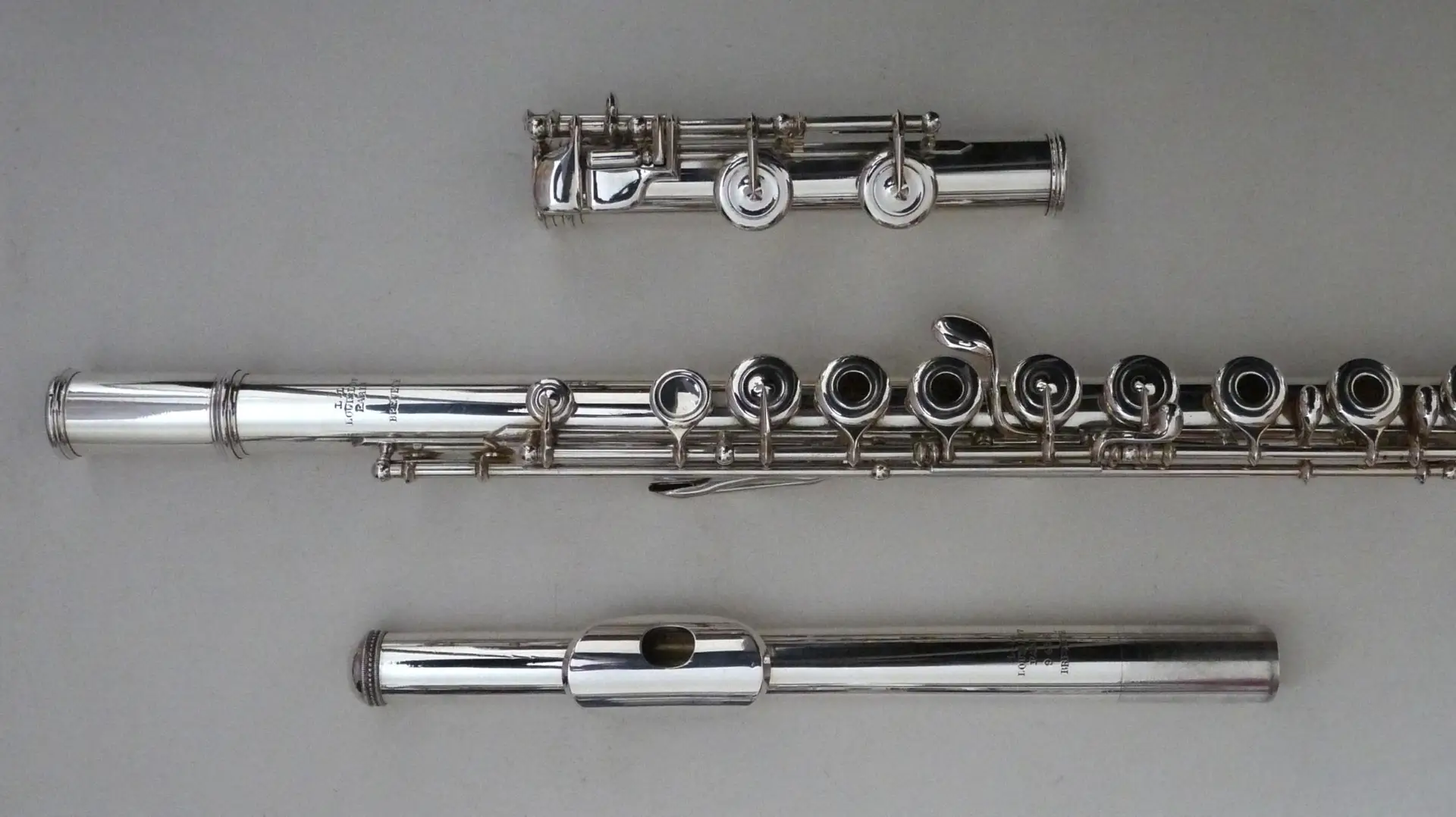
A pivotal chapter of the exhibition is devoted to the revolutionary innovations of Theobald Boehm, whose reimagining of the flute permanently transformed both the instrument and its musical possibilities. Through a carefully curated selection of historical instruments — including simple-system flutes, Boehm’s landmark 1832 and 1847 models, and rare transitional designs — visitors can trace how Boehm’s radical approach to acoustics, mechanics, and materials reshaped the flute from the ground up.
These instruments document a moment in which scientific inquiry, meticulous craftsmanship, and musical vision converged. Boehm’s work did not represent incremental technical improvement, but a fundamental redefinition of how the flute could function, sound, and respond. His innovations laid the foundation not only for the modern flute, but also influenced the development of other keyed woodwind instruments.
The exhibition presents this transformation with clarity and depth, highlighting the scope of Boehm’s rethinking of the instrument—its bore, key system, scale, and construction materials. Visitors encounter a compelling visual and conceptual timeline that includes:
- Early cylindrical-bore Boehm flutes
- Conical predecessors illustrating earlier design principles
- Rare transitional instruments documenting experimentation and refinement
- Silver and gold flutes reflecting the successful worldwide implementation of the Boehm key system
Together, these objects form a living chronicle of scientific brilliance and artistic craftsmanship. They reveal how Boehm’s legacy continues to shape modern flute making and performance, serving as the foundation upon which generations of flutists and makers continue to build.
Living Traditions: Artists and Their Instruments
Crucially, The Magical Flute is not confined to the past. Instruments played by influential modern artists bring the exhibition firmly into the present, demonstrating how flute traditions continue to evolve through performance, experimentation, and personal artistic voice.
Among the highlights are instruments associated with some of the most significant figures in contemporary flute culture. Sir James Galway’s iconic solid 18k gold flute, encrusted with diamonds, stands as a symbol of extraordinary artistry and global influence. The flutes of jazz musician Herbie Mann and Native American flute master R. Carlos Nakai reflect sounds that reshaped perceptions of their respective instruments.
These objects carry the physical traces of performance and artistic life, offering visitors a rare and tangible connection to the musicians who shaped — and continue to shape — modern flute culture. As curator Eddie Chia-Hao Hsu emphasizes, encountering the actual instruments played by these artists allows audiences to engage more deeply with their music and to better understand the cultural and artistic legacies they represent.
Beyond Metal: New Materials and New Imaginations
The exhibition also looks forward, showcasing flutes made from unconventional materials that challenge traditional notions of sound and form. A carbon-fiber flute, striking in its matte black finish, stands boldly at the intersection of tradition and innovation. Nearby, other contemporary instruments reveal how today’s makers and performers are expanding the flute’s sonic, visual, and expressive possibilities.
Together, these modern instruments affirm that the story of the flute is not static. It is alive, dynamic, and continually reimagined — shaped by artists who honor tradition while pushing the instrument toward new horizons.
The Magic of the Stage
In a brilliant expansion of the exhibition’s scope, The Magical Flute incorporates spectacular costumes from productions of Mozart’s Die Zauberflöte, including designs by Marc Chagall and Dame Zandra Rhodes. These garments illuminate the flute’s theatrical and mythological power within Western opera, where it becomes a symbol of transformation, enlightenment, and enchantment.
Costumes, masks, and regalia throughout the exhibition reinforce the idea that flutes do not exist in isolation: they operate within visual, social, and symbolic worlds that give them meaning.
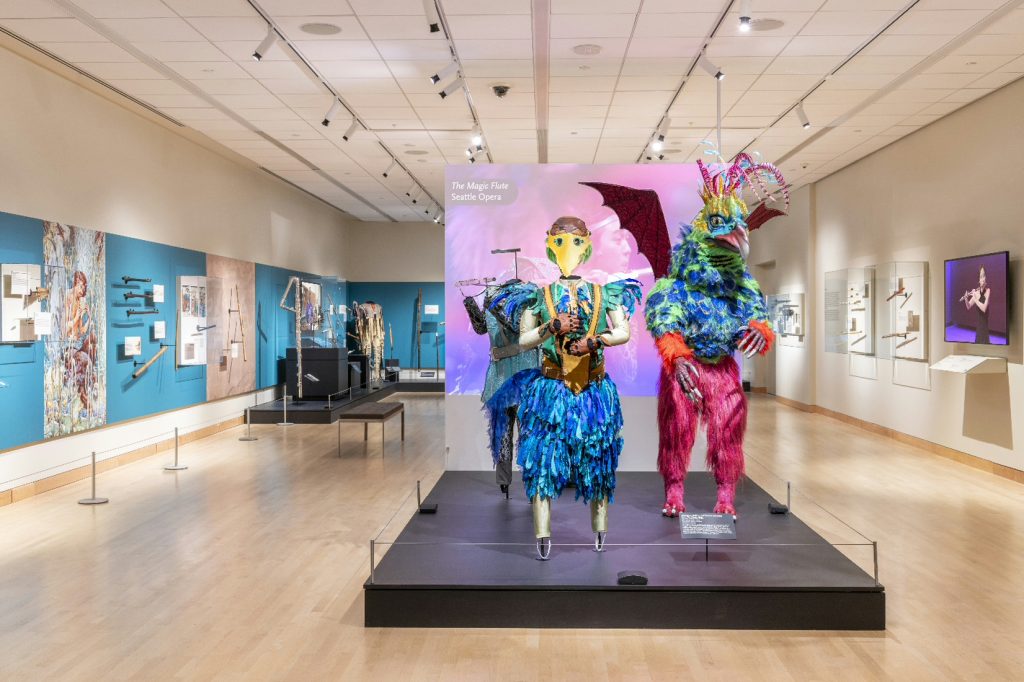
An Immersive Experience
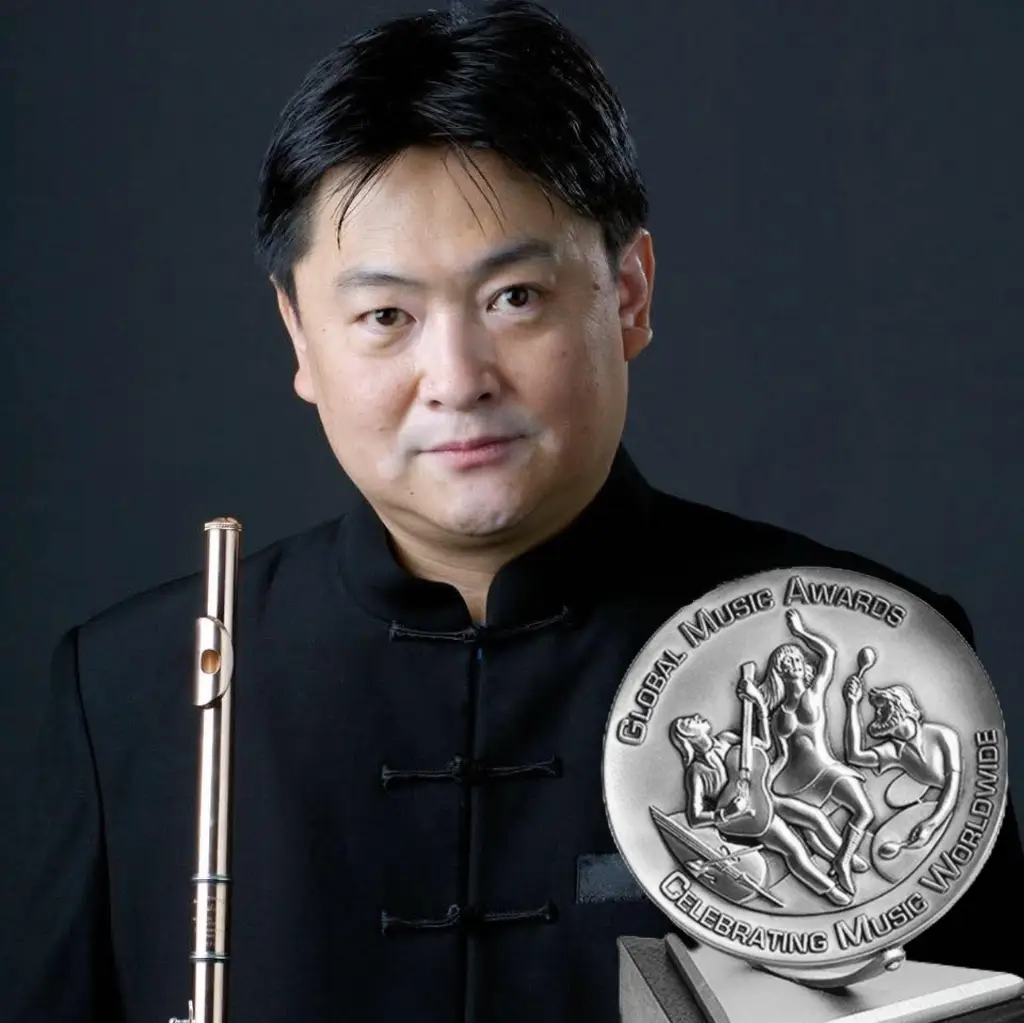
What ultimately sets The Magical Flute apart is the way it is experienced. Thoughtful lighting, spatial storytelling, and multimedia elements — including performances and insights from experts and virtuosos such as Jasmine Choi — animate the gallery.
Rather than presenting instruments as silent artifacts, the exhibition allows them to speak, sing, and resonate, reminding visitors that flutes are meant to be heard, felt, and experienced.
Why This Exhibition Matters
The Magical Flute: Beauty, Enchantment, and Power is far more than a museum exhibition — it is a cultural milestone.
For flutists, it offers grounding in the instrument’s deepest origins and living traditions.
For scholars, it provides rich material for understanding music as cultural expression.
For makers, it celebrates centuries of innovation and craftsmanship.
For audiences, it offers a powerful reminder that music — and breath — are universal.
A Story That Belongs to All of Us
In bringing together 8,000 years of flute history, the Musical Instrument Museum has created something truly extraordinary: a global narrative that honors how people across cultures have used breath, bone, wood, metal, crystal, imagination, and belief to create sound.
The Magical Flute: Beauty, Enchantment, and Power is not simply an exhibition.
It is an invitation — to listen deeply, to marvel, and to remember that the story of the flute is, ultimately, the story of humanity itself.
The catalog for The Magical Flute: Beauty, Enchantment, and Power is available for purchase at the Museum Store or online at theMIMstore.org.