Every flute student begins with the same goal: to improve.
What happens next… varies.
Over time, certain patterns emerge — habits, tendencies, and personalities that shape not only how students practice, but how they think about music.
You may recognize one.
Or several.
1. The Overachiever
Approach:
Does everything — and more.
Description:
Arrives prepared, organized, and slightly ahead of the teacher. Practices beyond assignment, asks thoughtful questions, and somehow makes it all look easy.
Catchphrase:
“I also worked on the next three pages.”
2. The Last-Minute Miracle
Approach:
Pressure creates results.
Description:
Practices… eventually. Somehow pulls things together right before the lesson. Not always consistent, but occasionally impressive.
Catchphrase:
“I worked on it yesterday.”
3. The Perpetual Restarter
Approach:
This time, it will be different.
Description:
Every week begins with renewed motivation. New plan, new energy, same cycle.
Catchphrase:
“I’m starting fresh this week.”
4. The Scale Avoider
Approach:
Music first. Technique… later.
Description:
Will play pieces beautifully — but quietly hopes scales won’t be mentioned.
Catchphrase:
“Can we just play the piece?”
5. The Analyzer
Approach:
Understand everything.
Description:
Breaks down phrasing, harmony, structure, fingerings, breathing. Sometimes thinks more than plays.


Catchphrase:
“Can we talk about this measure?”
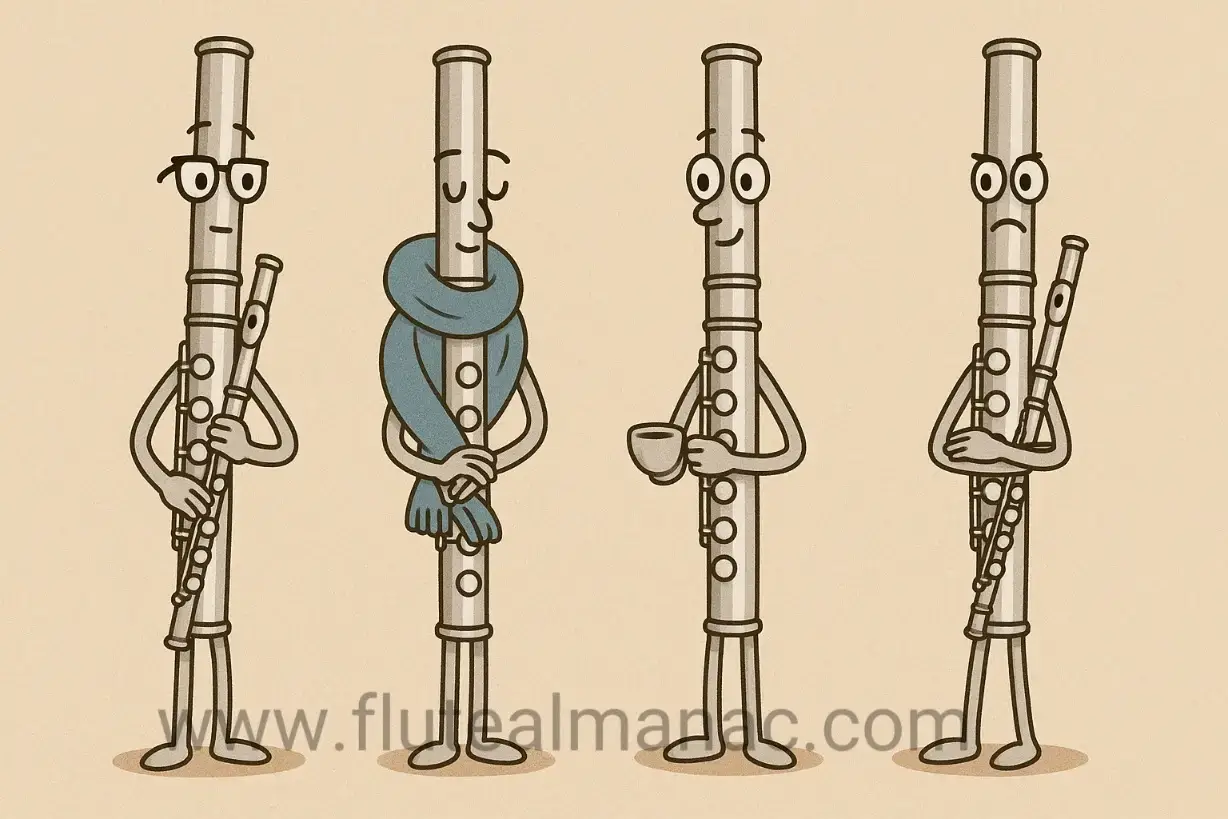
Even instruments themselves seem to develop personalities over time — something we explored in If Flute Brands Had Personalities.
6. The Natural
Approach:
It just works.
Description:
Plays intuitively, often beautifully, sometimes unpredictably. Doesn’t always know how it works — but it does.
Catchphrase:
“I just feel it.”
7. The Equipment Enthusiast
Approach:
The setup matters.
Description:
Interested in headjoints, cork placement, cleaning rods, pads, and every possible adjustment.
Catchphrase:
“I think it’s my flute.”
8. The Distracted Practicer
Approach:
Practice… with interruptions.
Description:
Practices with phone nearby, mind elsewhere, and attention divided — but still manages to get through something.
Catchphrase:
“I practiced… kind of.”
9. The Silent Worker
Approach:
Say less, do more.
Description:
Doesn’t talk much, but shows steady improvement. Progress appears quietly, week after week.
Catchphrase:
(nods)
10. The Confident Performer
Approach:
Play first, think later.
Description:
Steps into performance mode easily. Not always perfect — but never hesitant.
Catchphrase:
“I’ll just go for it.”
Most students are not just one type —
they move between them, depending on the week, the repertoire, and the level of motivation.
And somehow, through all of it, progress happens.
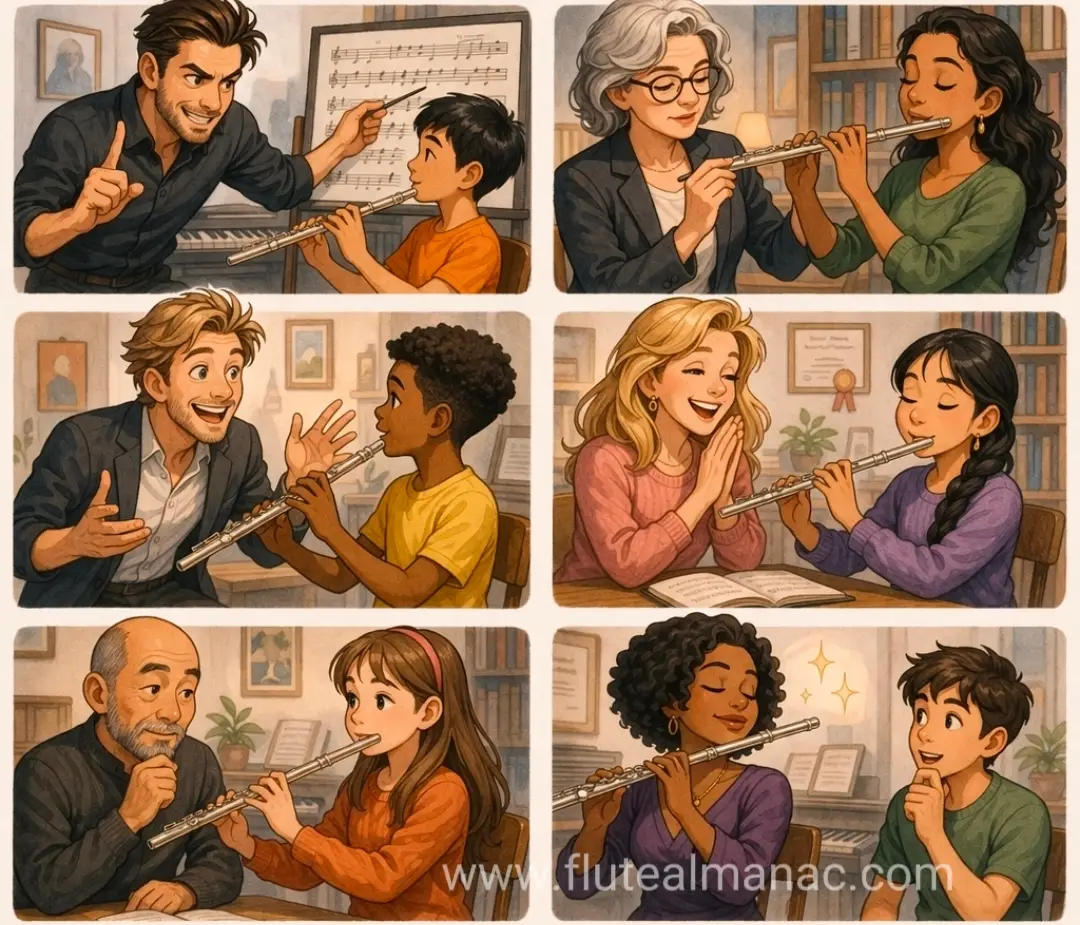
Many of these student types reflect the teaching styles behind them.
Explore Flute Teacher Types: Which One Did You Study With? to see how teachers shape these patterns.