A rare glimpse into humanity’s earliest musical traditions has emerged from the heart of Iran. An extraordinary bone flute, dating back over 8,000 years, is now in the spotlight thanks to a new initiative by the National Museum of Iran and the Ministry of Cultural Heritage, Tourism and Handicrafts. This ancient artifact is featured in a series of short documentary videos designed to bring Iran’s rich archaeological treasures to life for modern audiences.
An Ancient Instrument Resurfaces
The flute was discovered during archaeological excavations in the 1970s at Sang-e Chakhmaq, a Neolithic settlement near the historic city of Shahrud in Semnan Province. Nestled along ancient trade routes of the Silk Road, the site holds layers of human history that stretch back to the dawn of agriculture and early settlement.
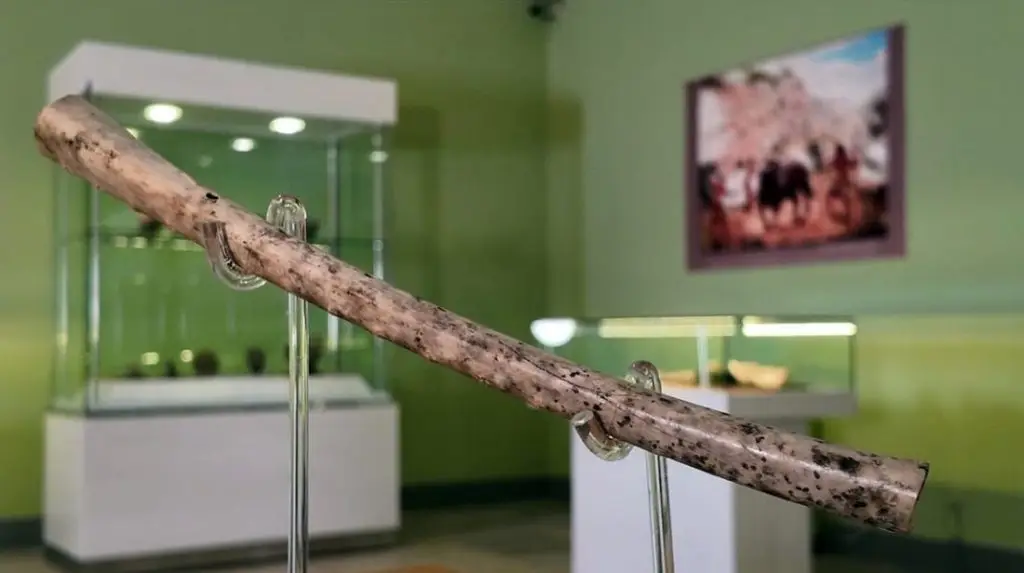
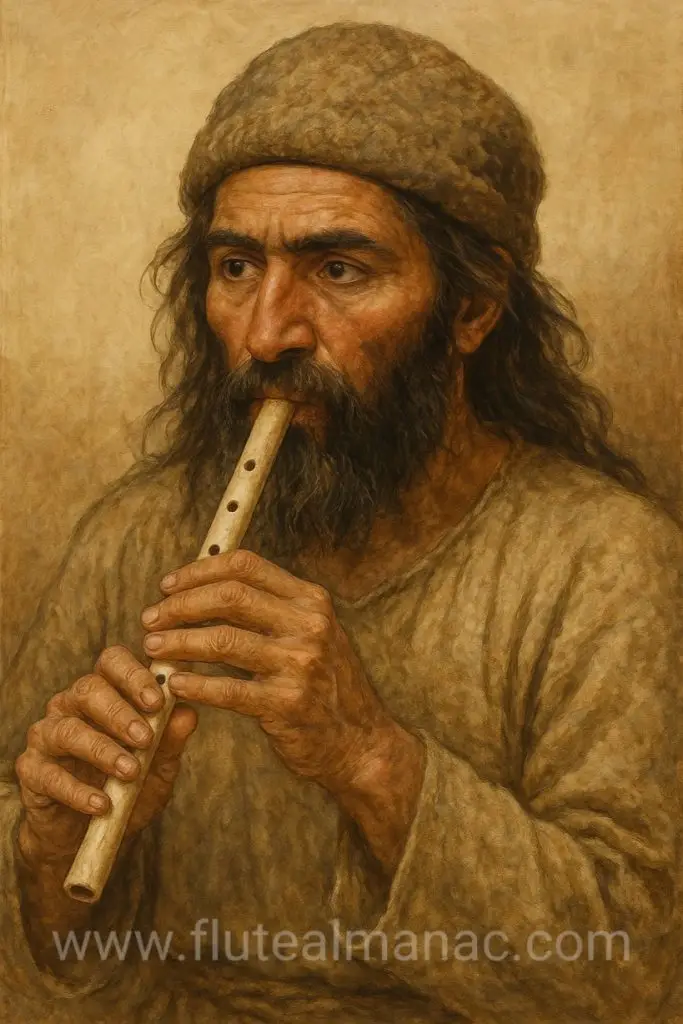
Made from the bone of a large migratory bird, the instrument features four carefully placed finger holes and an additional opening near the end. According to Dr. Fereidoun Biglari, deputy director of the National Museum of Iran, stone tools were likely used to craft the flute – evidenced by visible cut marks still etched into its surface. These markings reveal the remarkable skill and intent behind early human tool use, and suggest a well-developed understanding of acoustics even in prehistoric times.
Reawakening an 8,000-Year-Old Sound
In an ambitious effort to reconnect with the past, the museum is working with a professional musician to reconstruct the instrument using historically accurate materials. The goal is to recreate the sounds it once produced – offering a tangible link to the musical expression of Neolithic peoples. Hearing this flute today would be akin to unlocking an acoustic memory that has lain dormant for millennia.
Music’s Role in Prehistoric Iran


While we may never know the exact melodies once played, flutes like this one likely served important functions in ancient society. Dr. Biglari suggests they may have been used in ritual ceremonies, communal gatherings, or even as signaling tools in daily life. Such instruments underscore the early development of music as a powerful form of cultural communication – an essential part of human identity long before written language.
The Significance of Sang-e Chakhmaq
The Sang-e Chakhmaq site consists of two main mounds: eastern and western. The flute was found in the eastern mound, which shows evidence of early ceramic production and structured village life. The western mound, even older, reveals aceramic Neolithic layers with mud-brick architecture, fire pits, and expertly crafted flint tools.
Together, these layers chart a continuous cultural development from the 7th to the early 5th millennium BCE. They provide invaluable insight into early innovations such as pottery-making, copper usage, and architectural design. Artifacts from Sang-e Chakhmaq bear stylistic similarities to finds from the Djeitun Culture of Turkmenistan and the Sialk I–II phases in central Iran, suggesting shared knowledge across wide geographic regions.
A Cradle of Innovation
Sang-e Chakhmaq stands as one of the most thoroughly studied Neolithic sites in northeastern Iran. Its strategic location and diverse cultural layers suggest it was a hub for early experimentation in agriculture, craftsmanship, and trade. The discoveries here – including the bone flute – highlight Iran’s essential role in the broader story of human civilization.
Bringing the Past to the Present
Today, visitors can view this ancient flute and other artifacts in the Neolithic Gallery of the Iran Bastan Museum in Tehran. The museum’s recent embrace of social media platforms like Instagram and Aparat marks a new chapter in public engagement. By offering curated video content and educational insights, the National Museum is helping audiences around the world experience the depth and beauty of Iran’s prehistoric heritage – one ancient note at a time.