In a world increasingly focused on personal expression, speed, and convenience, the quiet strength of etiquette — particularly in music — risks being overlooked. Yet, in the realm of music education and performance, manners are not optional. They are essential.
Musical etiquette isn’t just about knowing when to clap. It is about respect — for your teacher, your fellow students, your audience, and the art form itself. For music students, in particular, learning etiquette is as important as scales or breath control. It lays the foundation for a successful, collaborative, and fulfilling musical life.
Good etiquette encourages:
- Mutual respect between students and teachers
- Productive rehearsals and positive ensemble dynamics
- Professionalism in performance situations
- Audience appreciation and engagement
- Personal integrity in practicing and communicating
In many ways, etiquette is the invisible thread that holds the music world together.
Unfortunately, the word etiquette is often misunderstood. Many still imagine it as something rigid or outdated, reserved only for formal occasions. In reality, etiquette is far more practical: it shapes everyday interactions in rehearsal rooms, classrooms, and concert halls. It ensures that students arrive prepared, that rehearsals run smoothly, that audiences know how to support performers, and that teachers and students work in an atmosphere of mutual respect.
Far from being restrictive, music etiquette allows artistry to flourish. It provides a shared framework of behavior that frees musicians and audiences alike to experience music at its highest level.
Gratitude Is the First Lesson
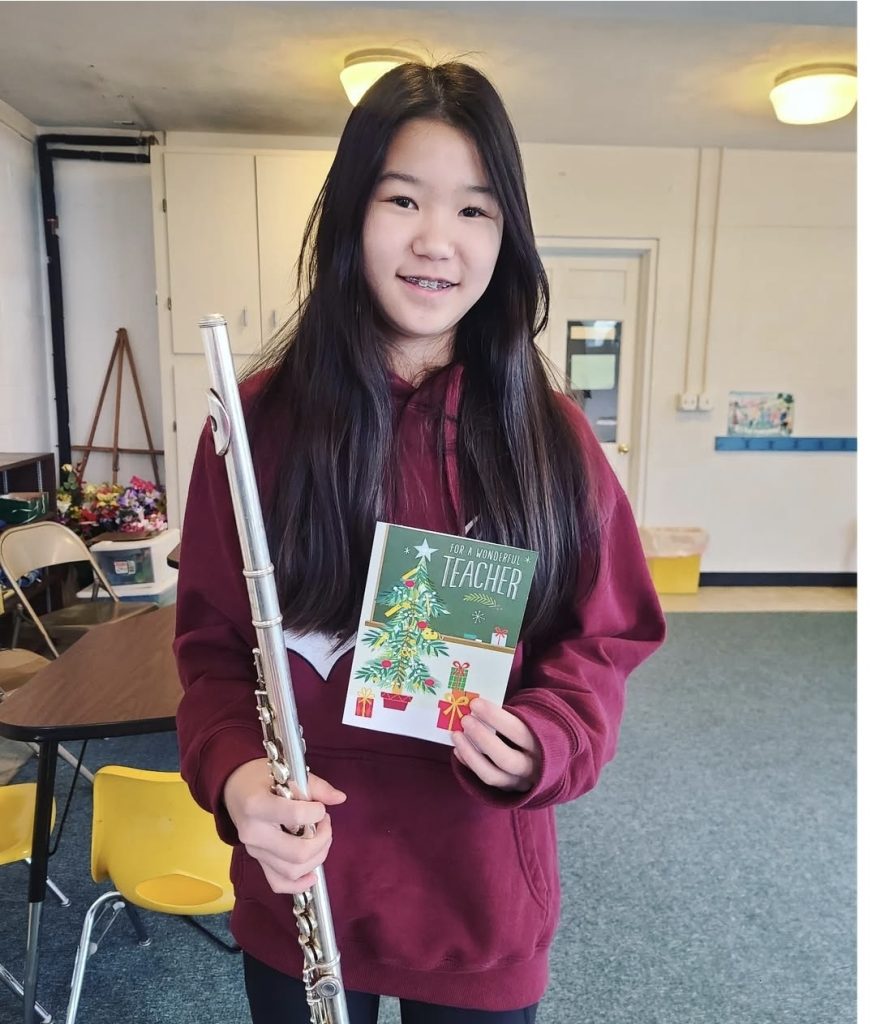
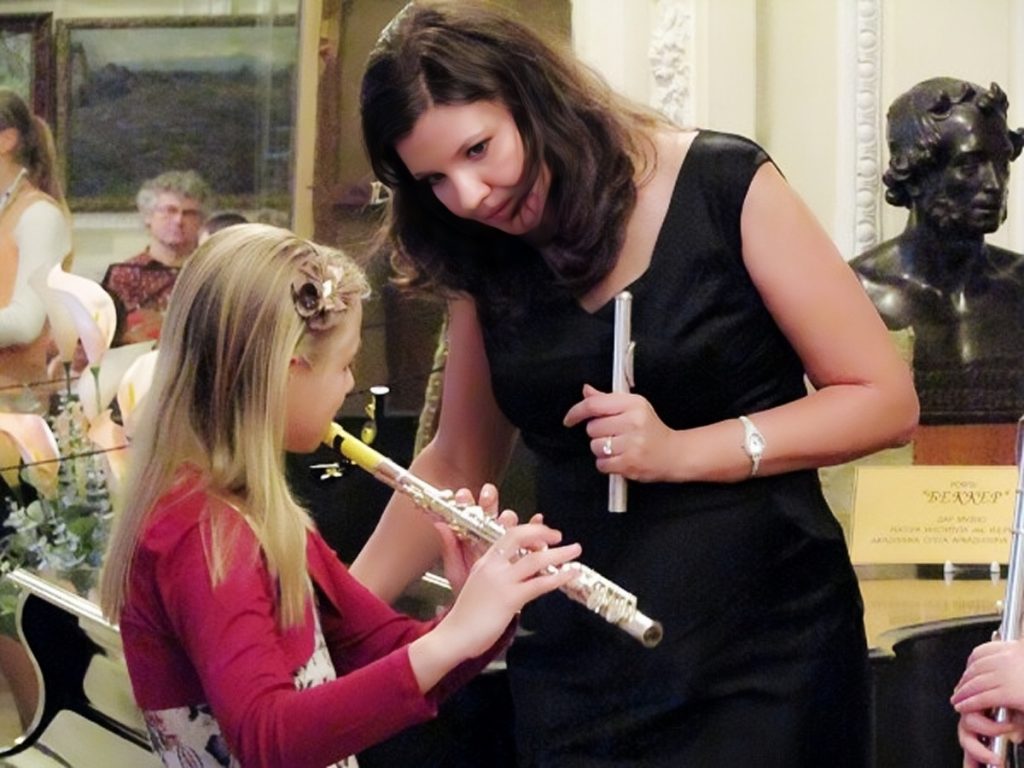
One of the simplest yet most powerful acts of etiquette is saying “thank you” after a lesson. It may seem obvious, but too often, this small gesture is forgotten or deemed unnecessary. Music lessons are not just transactions — they are moments of shared attention, effort, and guidance. Acknowledging your teacher’s time and care with a sincere “thank you” reinforces mutual respect and encourages a positive learning relationship.
In many parts of the world, including countries like Russia and Japan, students go further: they may rise when a teacher enters the room, bring flowers on Teacher’s Day, or write notes of appreciation. While such customs are deeply rooted in cultural norms, they reflect a broader principle that applies globally: respect for your teacher matters.
Performance Etiquette: More Than Stage Presence
For musicians, etiquette doesn’t stop when the lesson ends. On stage and off, your behavior shapes your reputation. After a concert, performers should always acknowledge their accompanists and colleagues with gratitude.
Audiences, too, have a role to play: silence during the performance, applause at the right time, and expressing appreciation afterwards are not just niceties — they are essential to the concert experience.
It is common in many countries to bring flowers to performers after a concert, to wait backstage to offer congratulations, or even just to say “I really enjoyed your performance.” These are small but meaningful ways of recognizing the effort and vulnerability that performance requires. A performer who feels seen and appreciated is more likely to grow and continue giving their best.
Ironically, our modern obsession with applause — or lack thereof — has historical roots. In a letter from 1778, Wolfgang Amadeus Mozart joyfully recounted an enthusiastic response from his Paris audience. His words, preserved by historian and music critic Alex Ross, show how deeply composers valued audience attention:
“Right in the middle of the First Allegro came a Passage I knew would please, and the entire audience was sent into raptures — there was a big applaudißement… I brought it once more at the end of the movement — and sure enough there they were: the shouts of Da capo… I was so delighted, I went right after the Sinfonie to the Palais Royale — bought myself an ice cream, prayed a rosary as I had pledged — and went home.

Scientific Insight: How Classical Music Connects Us — Literally
Beyond tradition and decorum, classical concerts offer a powerful shared experience that is now being measured physiologically. A 2023 study led by Wolfgang Tschacher at the University of Bern revealed that audience members’ heart rates, breathing patterns, and even skin conductance (a measure of perspiration) can synchronize during live classical performances.
In the study, 132 participants attended concerts featuring works by Beethoven, Brahms, and Brett Dean, while wearing biometric sensors. The researchers observed that various physiological responses became aligned as the concerts progressed — especially among individuals who scored high in openness and agreeableness on personality assessments.
Openness is a personality trait of welcoming new experiences — liking art, travel, and exotic things,” explains Tschacher. People who are more agreeable may also be more attuned to social expectations, such as attentive concert behavior, which could enhance this synchrony.
Source:
Scientific Reports, DOI: 10.1038/s41598-023-41960-2
Original reporting by Jason Arunn Murugesu, New Scientist, October 2023.
Interestingly, the timing of breathing (inhalation and exhalation) did not synchronize, suggesting that the heart’s response may be tied more to emotional engagement than to shared physical rhythm.
Although this experiment took place under COVID-19 distancing constraints, Tschacher suggests that synchrony would likely be even stronger in traditional concert settings, where audience members sit closer and naturally engage with one another.
These findings affirm what musicians have long sensed: classical music creates a deep, invisible bond between performers and listeners — one that is felt not only in the soul but in the body itself.
Dress Matters: The Silent Message of Your Clothes
What we wear as musicians communicates just as much as how we play. Whether you are going to a lesson, rehearsal, audition, or concert, your clothing is part of your presentation — and a form of silent respect.



In July 2025, Milan’s Teatro alla Scala, one of the world’s most iconic opera houses, reaffirmed its commitment to traditional decorum by denying entry to individuals wearing shorts or sleeveless shirts. While some criticized the move as elitist, the intention is clear: to preserve the dignity of the concert hall as a place of reverence, not casual entertainment.
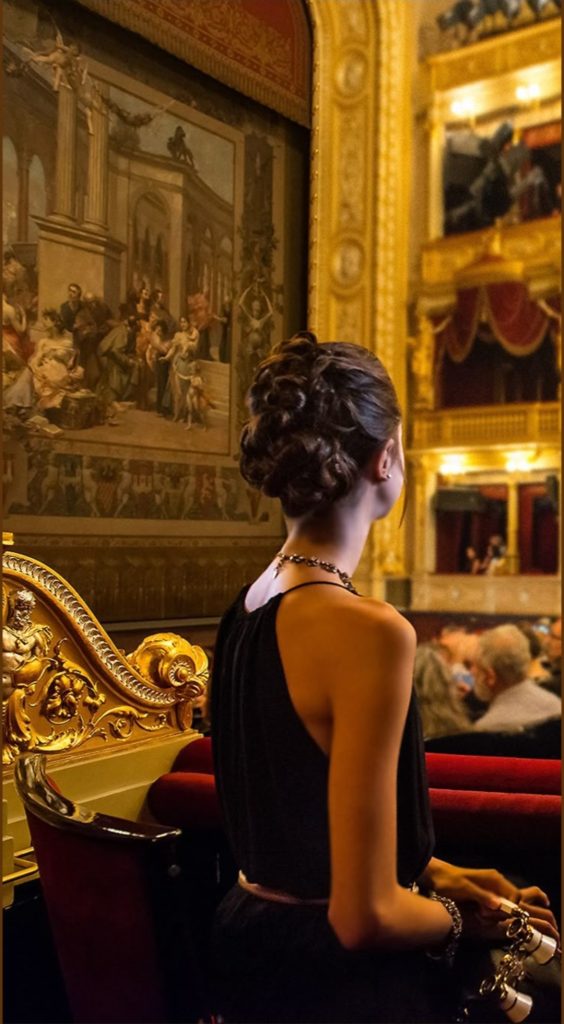
It is a reminder that classical performance is a ritual — one where dress, posture, and presence matter. Respect for the occasion is communicated as much through appearance as through applause.
For students, it’s important to recognize that lessons are a professional and often formal setting. Arriving in extremely casual or revealing attire, such as cropped tops or pajama-style clothes, can be distracting or even uncomfortable for both teacher and student. More importantly, it sends a message that you may not be taking the session seriously. A clean, neat, and modest outfit — whether it’s a simple blouse and slacks, a skirt, or a collared shirt — shows respect for the learning space and for your teacher’s time.
The same applies to auditions and rehearsals. An audition panel begins forming their impression of you the moment you walk in. Dressing professionally — polished shoes, ironed clothes, and nothing too flashy or informal — helps communicate confidence and readiness. You don’t have to wear concert attire unless specified, but you should never dress like you’re going to the gym or a beach party.
Teachers, too, have a responsibility in this regard. Showing up dressed in a tidy, appropriate way sets the tone for the studio and demonstrates professionalism. It shows students that you value the work being done and expect the same in return.
Ultimately, dressing appropriately is not about suppressing individuality — it’s about aligning your appearance with the occasion and showing that you care. In music, as in life, first impressions and lasting impressions are often one and the same.
Devices in the Concert Hall: A Growing Concern
Mobile phones remain one of the most controversial etiquette issues of our time. In 2024, during a performance, renowned tenor Ian Bostridge interrupted the program to ask audience members to put away their phones. His plea sparked public debate and ultimately led the City of Birmingham Symphony Orchestra to adopt a more nuanced policy: photos and videos are allowed only during applause breaks, not during the performance itself.
Venues like the Sydney Opera House have faced backlash after multiple reports of audience members scrolling social media throughout performances — often not even to film the show, but simply out of compulsion.
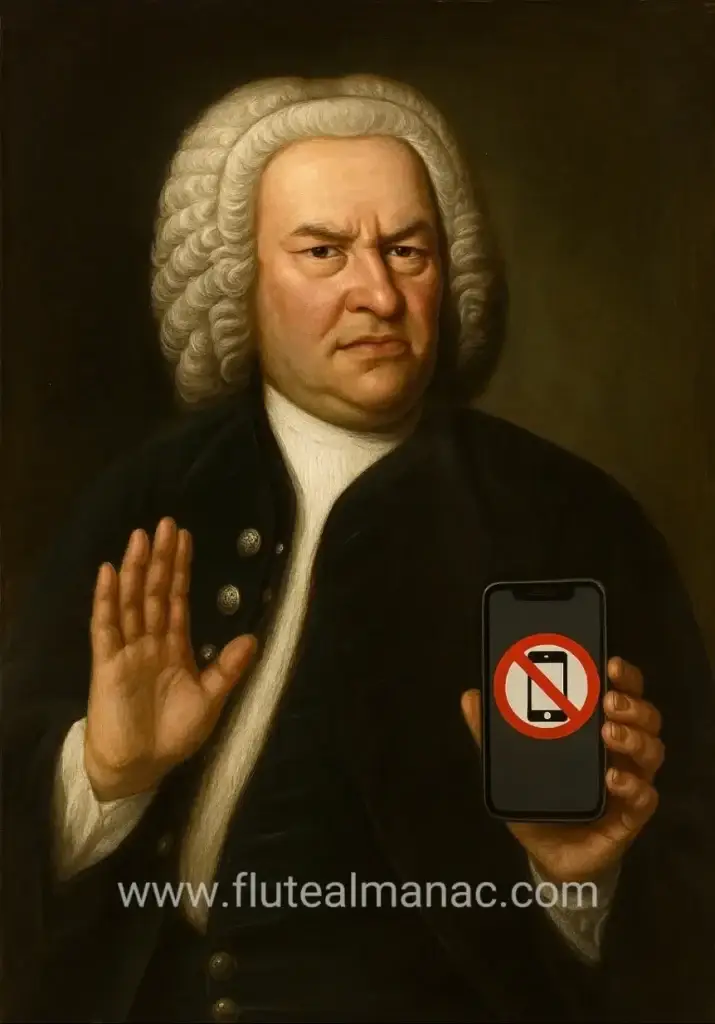
One opera-goer summed it up in a now-viral post:
“Was at the opera house last night and both strangers either side of me spent half the show scrolling through social media. They weren’t even filming the show (which is bad too, but somehow more understandable) — just straight up doom scrolling while the orchestra is banging out the most beautiful piece of music ever.”
Perhaps the most infamous example came in January 2012 at the New York Philharmonic, during a performance of Mahler’s Symphony No. 9. At one of the most fragile and transcendent moments in the final movement, a cell phone began ringing — not once, but repeatedly. The owner, seated in the front row, didn’t realize it was his phone. Conductor Alan Gilbert eventually stopped the performance.
“Ordinarily, in disturbances like these, it’s better not to stop, since stopping is worse than the disturbance,” Gilbert later explained. “But this was so egregious.”
It was a chilling reminder of how easily modern distractions can pierce through the sacred silence of art.
Learning What Isn’t Always Taught
In some places, music etiquette is actively taught from a young age. In others, it’s assumed or sadly neglected. As a result, some students grow up not knowing how to behave in a rehearsal, how to communicate with a conductor, or how to respectfully give and receive feedback. This lack of guidance can lead to tension, missed opportunities, and a poor professional reputation later on.
Music schools, private teachers, and youth ensembles have an opportunity—and a responsibility — to teach these unspoken rules. Simple things like showing up on time, being prepared, not speaking while others play, or turning off a phone during a rehearsal should be second nature to any aspiring musician. These habits show professionalism, maturity, and self-awareness.
Recently, educators like Christina Toulios have begun addressing concert etiquette head-on—a music teacher in Westfield, NJ, self-published Taki’s First Concert, a children’s book that teaches youngsters essential behaviors (e.g., no candy or iPads in the concert hall) .

Etiquette Is Not Old-Fashioned — It’s Empowering
Some may scoff at etiquette as outdated or stiff, but in truth, it offers clarity and confidence. Knowing how to behave in a music studio, a green room, or a post-concert reception removes uncertainty and builds trust. It allows musicians to focus on music, not on social anxiety or misunderstandings.
Ultimately, etiquette is not about obeying arbitrary rules — it’s about creating an environment where music can flourish. It’s about acknowledging that we are part of something larger than ourselves, and that respect, kindness, and professionalism still matter.
Final Note
Whether you’re a beginner or a seasoned performer, take the time to learn and practice musical etiquette. Say thank you. Be courteous. Support your colleagues. Show up prepared. These actions don’t cost anything — but they give you everything in return: trust, respect, and a place in a musical community that values more than just talent.
Let us not forget: great musicians are not only measured by what they play, but by how they treat those around them.
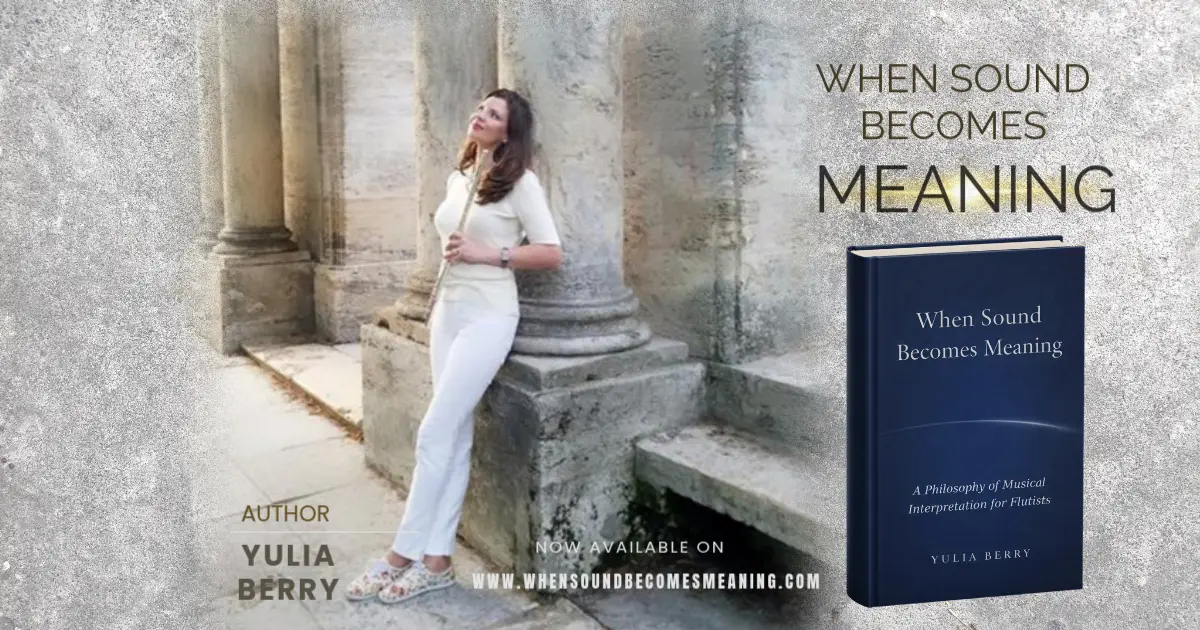
Yulia Berry
www.yuliavberry.com
Yulia Berry, DMA, is an award-winning flutist and renowned flute pedagogue with over 30 years of international teaching and performing experience. She leads a thriving Yulia Berry’s Flute Studio and is the founder of the New England Flute Institute, where her students consistently achieve top honors and festival placements.
Dr. Berry is the founder and editorial director of Flute Almanac, a global digital platform for flutists that features a multilingual magazine, international event listings, news, reviews, and educational content. Since its launch in 2024, Flute Almanac has quickly become an essential resource for the worldwide flute community. It is widely recognized as a leading flute magazine, receiving recognition from Google as the #1 global flute magazine.
She also founded The Babel Flute and Web Flute Academy, and in 2024, spearheaded the Global Flute Excellence Awards – a groundbreaking international initiative supported by Sir James and Lady Jeanne Galway. The awards recognized outstanding flutists, composers, educators, and flute makers, and brought together 52 judges from 19 countries.
Honored in Marquis Who’s Who 2024 for her exceptional achievements in music, Yulia Berry continues to shape the global flute community through innovation, education, and inspired leadership.