Premiere of Bohuslav Martinů’s Sonata for Flute and Piano in 1949
Background and Composition
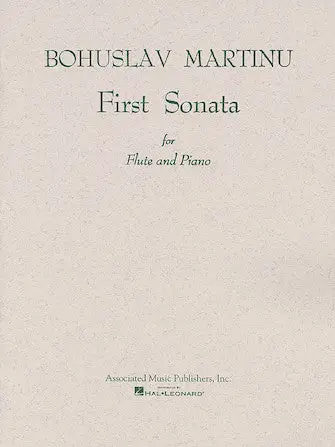
Bohuslav Martinů composed his Sonata for Flute and Piano, H. 306, in 1945 while residing in South Orleans, Cape Cod, during his five-year stay in the United States following his escape from Nazi-occupied France. This work was written for George Laurent, the principal flutist of the Boston Symphony Orchestra from 1918 to 1952. The sonata was premiered on December 18, 1949, in New York, featuring Lois Schaefer as the soloist. Although initially titled ‘First Sonata for Flute and Piano’ by Martinů, a second sonata was never composed.
Structure
The Sonata for Flute and Piano is structured in three movements:
- Allegro moderato – This opening movement sets a vibrant and energetic tone.
- Adagio – Serving as the heart of the sonata, this movement is more introspective and lyrical, offering a contrast to the outer movements.
- Allegro poco moderato – The finale, lively and rhythmically driven, encapsulates the spirited nature of the sonata.
Musical Inspiration
The thematic inspiration for the third movement of the sonata comes from a poignant episode during Martinů’s time in Cape Cod, where he nursed an injured whippoorwill back to health. The bird’s song, which Martinů found particularly enchanting, is echoed in the music, adding a personal and evocative layer to the composition.