Quote from Flute Almanac on December 19, 2025, 8:44 pm
In the world of flute literature, few names are as universally recognized — yet as insufficiently understood — as Joachim Andersen. His études shape the technical development of nearly every serious flutist, but the man behind these studies has long remained an enigma: a virtuoso, a founding member of the Berlin Philharmonic, a celebrated conductor, a Danish cultural figure, and a remarkable musical personality whose influence radiated far beyond the practice room.
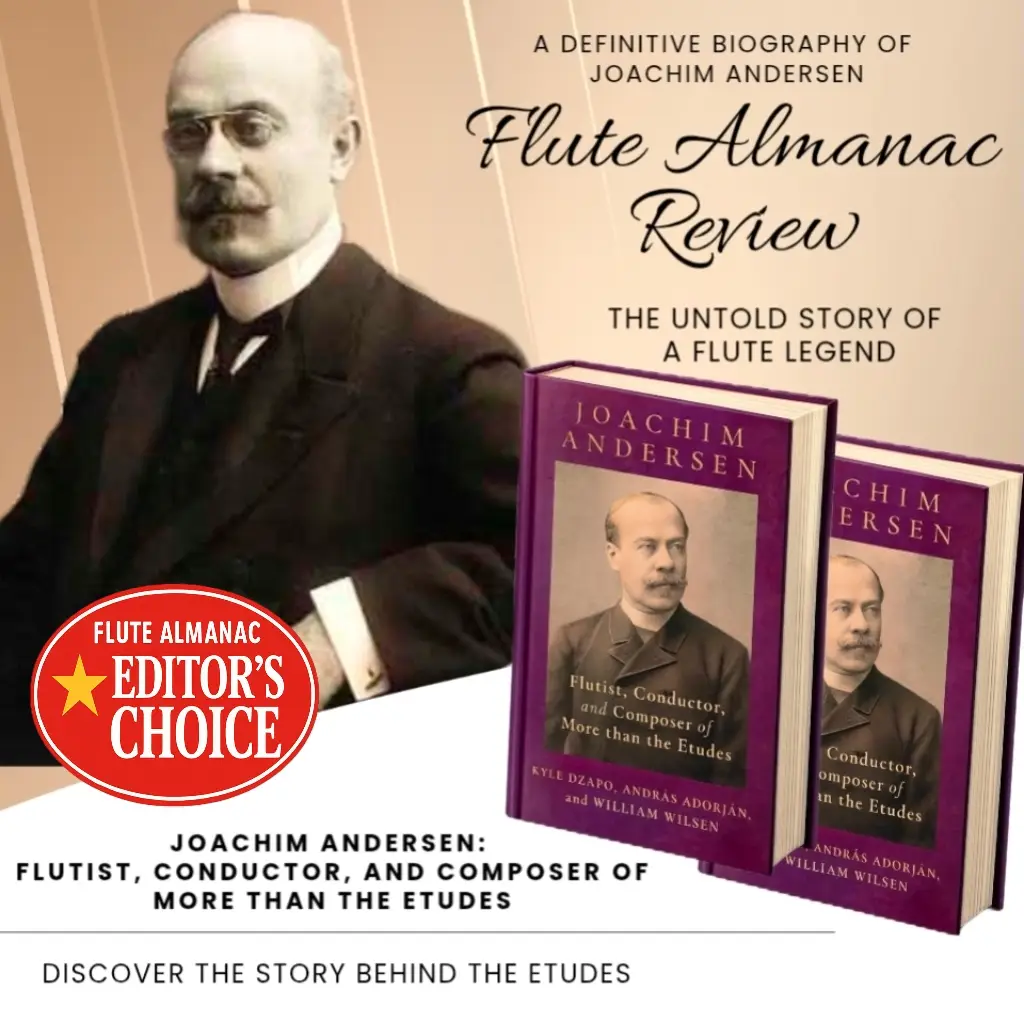
This long-awaited volume by Kyle Dzapo, András Adorján, and William Wilsen finally gives Andersen the biography he deserves — and it does so with clarity, elegance, and extraordinary depth.
A Biography That Reads with Ease
Despite its scholarly weight, Joachim Andersen: Flutist, Conductor, and Composer of More than the Études is surprisingly accessible. The prose flows with a lightness unusual for a major academic publication. The authors write with narrative warmth and precision, allowing the reader to move effortlessly through Andersen’s childhood in Copenhagen, his dazzling early career, his pivotal Berlin years, and his later achievements as a conductor and cultural leader in Denmark.
The language is engaging, never heavy. Even readers unfamiliar with 19th-century European musical life will find the book clear and inviting.
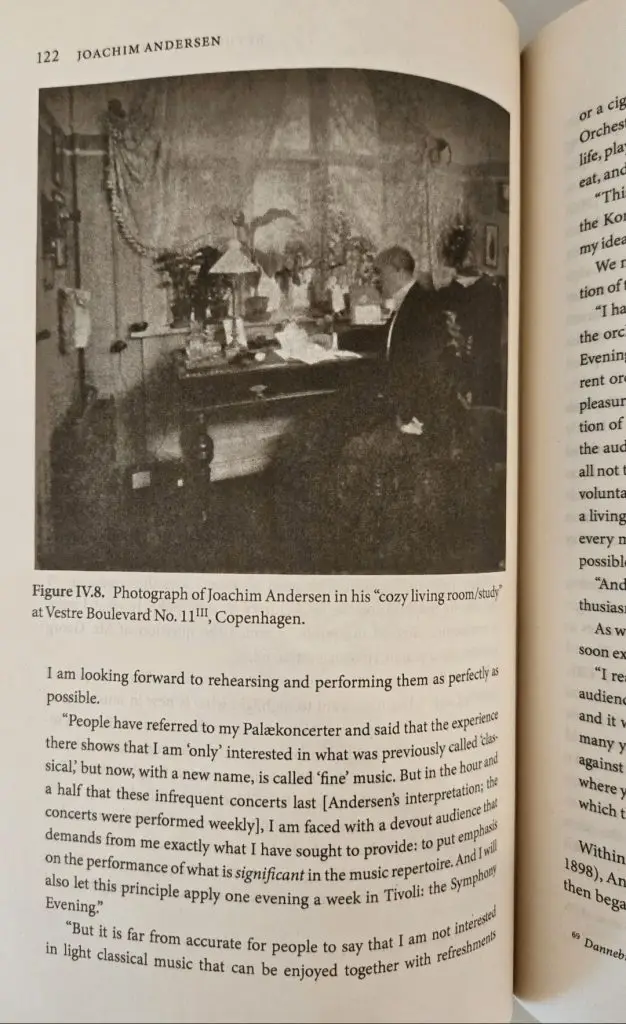
One of this book’s greatest strengths is its visual documentation. It includes:
early family portraits
rare photographs from Andersen’s Berlin and Copenhagen years
concert programs and newspaper clippings
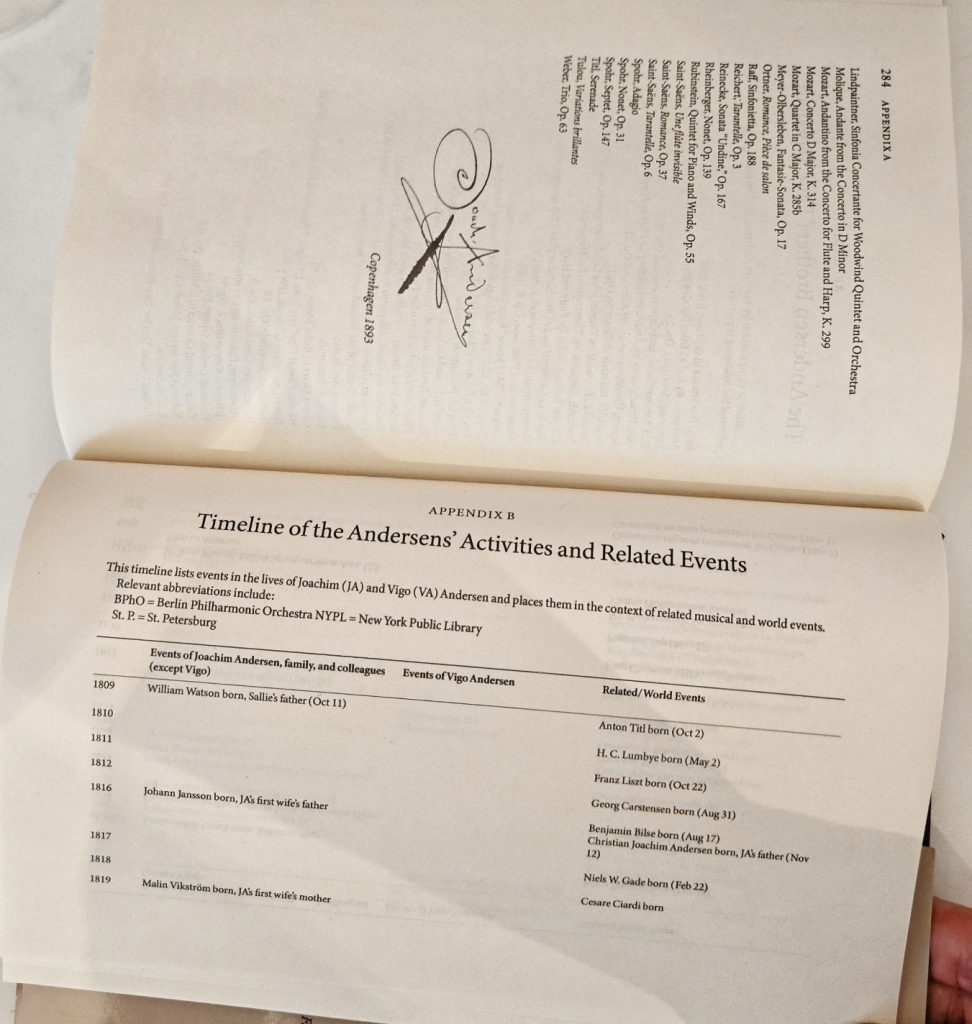
facsimile manuscripts, including Andersen’s vivid and humorous signatures
historical documents that illuminate his professional world
These materials are beautifully reproduced and thoughtfully integrated into the narrative, offering deep context and allowing the reader to feel immersed in Andersen’s era.
A Landmark Catalogue of Works
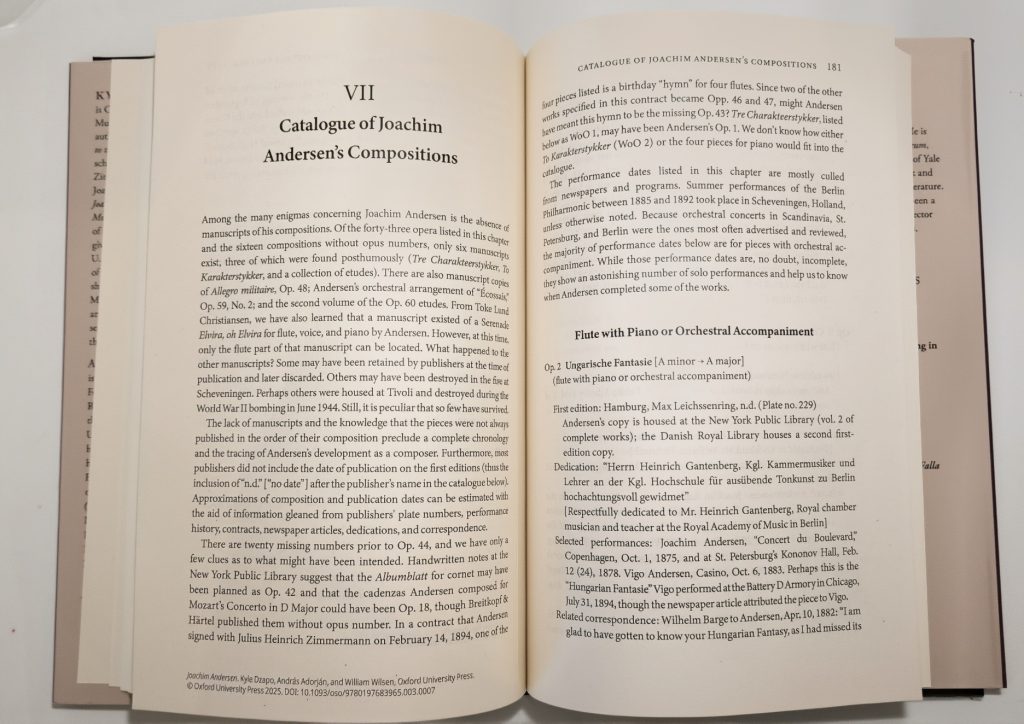
Perhaps the most invaluable section for performers, teachers, and researchers is the extensive Catalogue of Joachim Andersen’s Compositions (Chapters VII and VIII, plus appendices).
This catalogue is a treasure:
every known composition is detailed with first editions, dedications, instrumentation, plate numbers, premiere dates, and surviving manuscripts
many obscure works — salon pieces, impromptus, orchestral compositions, and early juvenilia — are documented for the first time
the authors clarify missing opus numbers, lost manuscripts, and discrepancies between publishers
posthumous collections and unpublished materials (including the 98 Posthumous Exercises & Preludes) receive special attention
For anyone who has relied on fragmented lists or outdated bibliographies, this catalogue is revelatory. It immediately becomes the standard reference on Andersen’s oeuvre.
The Etudes: A Fresh, Insightful Study
For generations, flutists have practiced Andersen’s etudes with little understanding of their origins or pedagogical design. This book finally fills that gap.
The authors examine Andersen’s eight major study collections, their ordering by key, and the structural and technical logic underlying each volume. Particular attention is given to the Große Etüden, their historical role in European conservatories, and the challenges posed by the absence of Andersen’s own pedagogical writings. Musical motives, formal design, and harmonic thinking are explored in ways that reveal Andersen’s identity as both flutist and composer.
This is not merely an academic examination, but a practical and inspiring resource that deepens the performer’s relationship with these indispensable works.
A New View of Andersen the Conductor and Cultural Leader
Beyond his flute legacy, the book reveals a Joachim Andersen few musicians know:
founding member and principal flutist of the Berlin Philharmonic
assistant conductor under Hans von Bülow
dynamic Kapellmeister in Copenhagen
strong-willed leader of popular music institutions
initiator of important reforms in Danish musical life
brother to the equally fascinating flutist Vigo Andersen, who receives substantial attention in these pages
The narrative includes dramatic moments — professional conflicts, political challenges, health struggles, and personal triumphs — all documented with first-hand sources and newly uncovered archival materials.
A Timeline That Puts Andersen into World Context
Appendix B is another highlight: a meticulously constructed timeline aligning Andersen’s life with world events, musical milestones, the careers of colleagues, and parallel activities of his brother Vigo.
This broader context enriches the reader’s understanding of Andersen’s place in 19th-century musical history.
Thirty Years of Research — Now Accessible to All
The book is the culmination of decades of investigative work by three of the most respected scholars in the flute world:
Kyle Dzapo — leading Andersen scholar, editor, performer, and author of major flute reference works.
András Adorján — one of the leading flutists of our time, with unmatched archival knowledge
William Wilsen — music theorist with a deep understanding of the period
Their collective expertise is evident on every page. The scholarship is impeccable, but the presentation remains warm, human, and beautifully readable.
Conclusion: An Essential Volume for Every Flutist
This book is nothing less than a milestone in flute literature.
It offers:
the first full biography of Joachim Andersen
a wealth of newly published documents and images
a comprehensive catalogue of works
detailed studies of the études
a vivid portrait of 19th-century European musical life
a compelling narrative that makes Andersen come alive
Whether you are a performer, teacher, historian, or simply a lover of flute music, this volume belongs on your shelf. It deepens our understanding not only of Andersen’s études, but of the remarkable artist behind them — a man whose influence shaped generations and whose story is finally told with clarity, dignity, and depth.
Highly recommended.
Editorial Note: Review copy purchased independently by Yulia Berry, Editorial Director of Flute Almanac. The book offers exceptional scholarly depth and rare archival materials, making it a worthwhile acquisition despite its higher cost.
In the world of flute literature, few names are as universally recognized — yet as insufficiently understood — as Joachim Andersen. His études shape the technical development of nearly every serious flutist, but the man behind these studies has long remained an enigma: a virtuoso, a founding member of the Berlin Philharmonic, a celebrated conductor, a Danish cultural figure, and a remarkable musical personality whose influence radiated far beyond the practice room.
This long-awaited volume by Kyle Dzapo, András Adorján, and William Wilsen finally gives Andersen the biography he deserves — and it does so with clarity, elegance, and extraordinary depth.
A Biography That Reads with Ease
Despite its scholarly weight, Joachim Andersen: Flutist, Conductor, and Composer of More than the Études is surprisingly accessible. The prose flows with a lightness unusual for a major academic publication. The authors write with narrative warmth and precision, allowing the reader to move effortlessly through Andersen’s childhood in Copenhagen, his dazzling early career, his pivotal Berlin years, and his later achievements as a conductor and cultural leader in Denmark.
The language is engaging, never heavy. Even readers unfamiliar with 19th-century European musical life will find the book clear and inviting.
One of this book’s greatest strengths is its visual documentation. It includes:
early family portraits
rare photographs from Andersen’s Berlin and Copenhagen years
concert programs and newspaper clippings
facsimile manuscripts, including Andersen’s vivid and humorous signatures
historical documents that illuminate his professional world
These materials are beautifully reproduced and thoughtfully integrated into the narrative, offering deep context and allowing the reader to feel immersed in Andersen’s era.
A Landmark Catalogue of Works
Perhaps the most invaluable section for performers, teachers, and researchers is the extensive Catalogue of Joachim Andersen’s Compositions (Chapters VII and VIII, plus appendices).
This catalogue is a treasure:
every known composition is detailed with first editions, dedications, instrumentation, plate numbers, premiere dates, and surviving manuscripts
many obscure works — salon pieces, impromptus, orchestral compositions, and early juvenilia — are documented for the first time
the authors clarify missing opus numbers, lost manuscripts, and discrepancies between publishers
posthumous collections and unpublished materials (including the 98 Posthumous Exercises & Preludes) receive special attention
For anyone who has relied on fragmented lists or outdated bibliographies, this catalogue is revelatory. It immediately becomes the standard reference on Andersen’s oeuvre.
The Etudes: A Fresh, Insightful Study
For generations, flutists have practiced Andersen’s etudes with little understanding of their origins or pedagogical design. This book finally fills that gap.
The authors examine Andersen’s eight major study collections, their ordering by key, and the structural and technical logic underlying each volume. Particular attention is given to the Große Etüden, their historical role in European conservatories, and the challenges posed by the absence of Andersen’s own pedagogical writings. Musical motives, formal design, and harmonic thinking are explored in ways that reveal Andersen’s identity as both flutist and composer.
This is not merely an academic examination, but a practical and inspiring resource that deepens the performer’s relationship with these indispensable works.
A New View of Andersen the Conductor and Cultural Leader
Beyond his flute legacy, the book reveals a Joachim Andersen few musicians know:
founding member and principal flutist of the Berlin Philharmonic
assistant conductor under Hans von Bülow
dynamic Kapellmeister in Copenhagen
strong-willed leader of popular music institutions
initiator of important reforms in Danish musical life
brother to the equally fascinating flutist Vigo Andersen, who receives substantial attention in these pages
The narrative includes dramatic moments — professional conflicts, political challenges, health struggles, and personal triumphs — all documented with first-hand sources and newly uncovered archival materials.
A Timeline That Puts Andersen into World Context
Appendix B is another highlight: a meticulously constructed timeline aligning Andersen’s life with world events, musical milestones, the careers of colleagues, and parallel activities of his brother Vigo.
This broader context enriches the reader’s understanding of Andersen’s place in 19th-century musical history.
Thirty Years of Research — Now Accessible to All
The book is the culmination of decades of investigative work by three of the most respected scholars in the flute world:
Kyle Dzapo — leading Andersen scholar, editor, performer, and author of major flute reference works.
András Adorján — one of the leading flutists of our time, with unmatched archival knowledge
William Wilsen — music theorist with a deep understanding of the period
Their collective expertise is evident on every page. The scholarship is impeccable, but the presentation remains warm, human, and beautifully readable.
Conclusion: An Essential Volume for Every Flutist
This book is nothing less than a milestone in flute literature.
It offers:
the first full biography of Joachim Andersen
a wealth of newly published documents and images
a comprehensive catalogue of works
detailed studies of the études
a vivid portrait of 19th-century European musical life
a compelling narrative that makes Andersen come alive
Whether you are a performer, teacher, historian, or simply a lover of flute music, this volume belongs on your shelf. It deepens our understanding not only of Andersen’s études, but of the remarkable artist behind them — a man whose influence shaped generations and whose story is finally told with clarity, dignity, and depth.
Highly recommended.
Editorial Note: Review copy purchased independently by Yulia Berry, Editorial Director of Flute Almanac. The book offers exceptional scholarly depth and rare archival materials, making it a worthwhile acquisition despite its higher cost.
Welcome to the Flute Almanac Forum!
This is your space to connect, share, and explore the world of flute with a global community of flutists, educators, and enthusiasts.
Whether you’re here to discuss the latest flute repertoire, share tips on technique, explore the flute’s rich history, or simply connect with fellow musicians, this forum is designed to foster engaging and meaningful conversations.
At Flute Almanac, we believe in the power of community and the exchange of knowledge. Our forum is organized into various categories that cater to different aspects of flute playing and learning, ensuring that you can easily find topics that interest you. Whether you’re a beginner seeking advice, a professional looking to share your expertise, or a curious learner wanting to delve deeper into flute culture and history, you’ll find a welcoming space here.
Join the conversation, ask questions, share your experiences, and help build a vibrant, supportive community where every flutist, regardless of their level, can find value and inspiration.
We’re excited to have you here and look forward to your contributions!