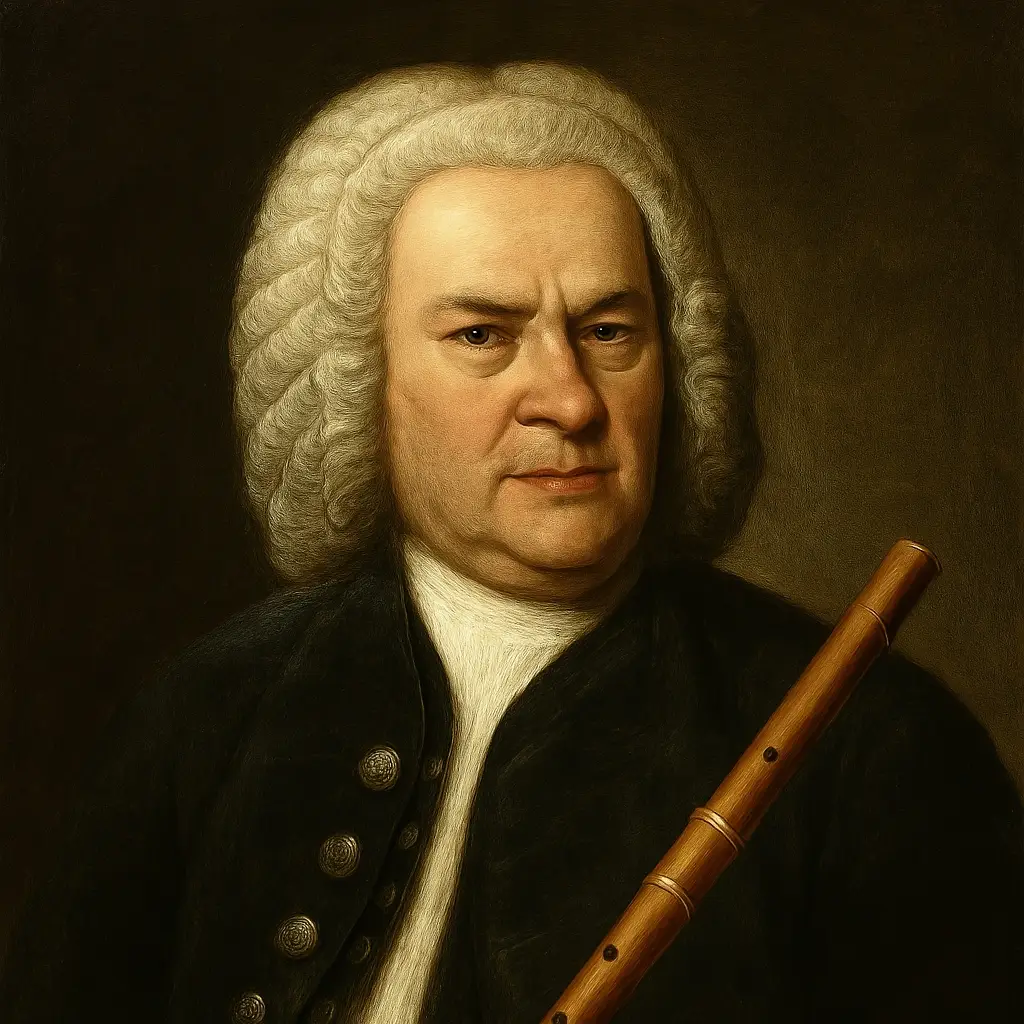
On March 31, the musical world honors the birth of Johann Sebastian Bach — one of the most influential composers in the history of Western music.
Bach does not belong to one instrument, one tradition, or even one era. His work stands at the intersection of structure and spirit, intellect and devotion, craft and meaning.
For performers, his music presents not only technical or stylistic challenges, but something far more profound:
a demand for truth.
Beyond Notes: The Architecture of Meaning
In Bach’s music, nothing is accidental.
Every interval, every rhythmic gesture, every harmonic progression exists within a deeply ordered system. Yet this order is not mechanical — it is expressive. Structure, in Bach, is not separate from meaning; it is meaning.
This is where many performers encounter a fundamental challenge.
Modern musical training often emphasizes line, phrasing, and emotional expression — what we might call the surface of music. But Bach requires us to go deeper, into the architecture beneath the sound.
For flutists, this inclination toward melodic thinking is almost inevitable — a natural result of the instrument itself, and a limitation explored in Why Flutists Think in Melody — And What They Often Miss
To perform Bach convincingly is to understand:
how voices relate to one another
how tension and release are constructed
how musical time unfolds through hierarchy, not impulse
Without this awareness, even the most beautiful tone remains incomplete.
Why Bach Still Challenges Us
Bach exposes a central issue in musical thinking:
Many musicians are trained to think melodically, but not structurally.
His music does not allow this imbalance. In a fugue, a sonata movement, or even a single line, meaning emerges not from isolated phrases, but from relationships — between voices, between harmonic directions, between levels of musical time.
This is why Bach can feel both transparent and elusive:
everything is clear on the page
yet its full meaning resists superficial interpretation
To engage with Bach is to enter a discipline of listening — one that requires patience, awareness, and intellectual honesty.
Sound as a Living Phenomenon
In recent years, there has been a growing need to reexamine how we understand sound itself.
Not as something decorative.
Not as something merely produced.
But as something shaped with intention and responsibility.
To approach music in this way requires a rethinking of sound itself — not as something that simply exists, but as something that carries direction, intention, and meaning.
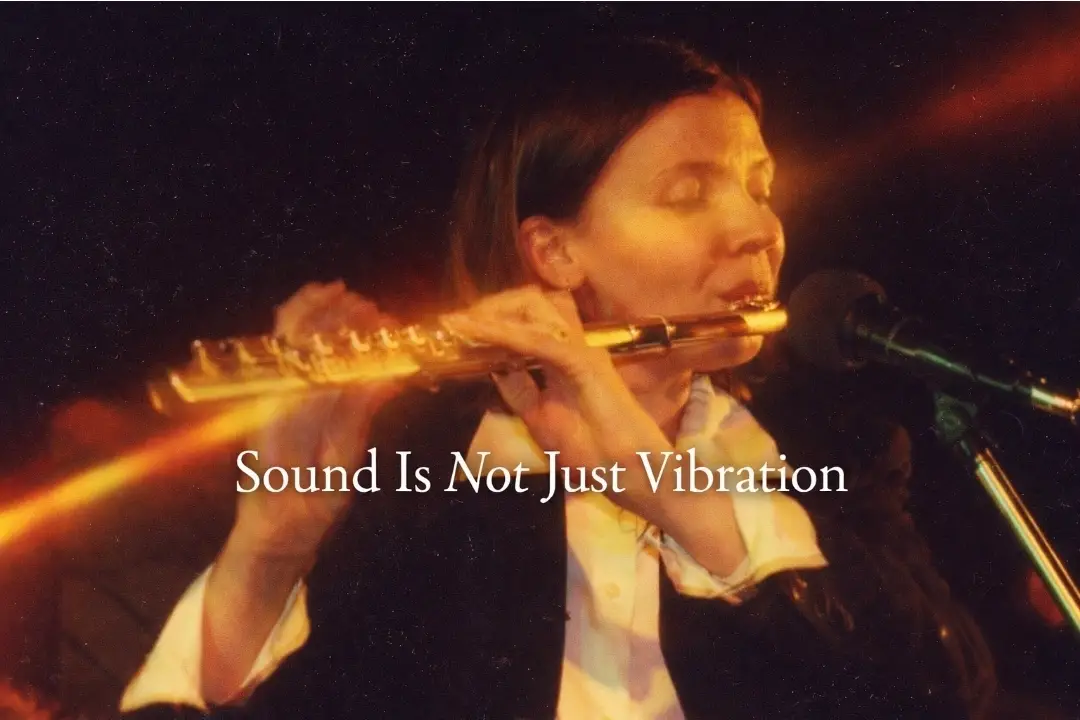
This perspective is explored further in Sound Is Not Just Vibration — Meaning in Music.

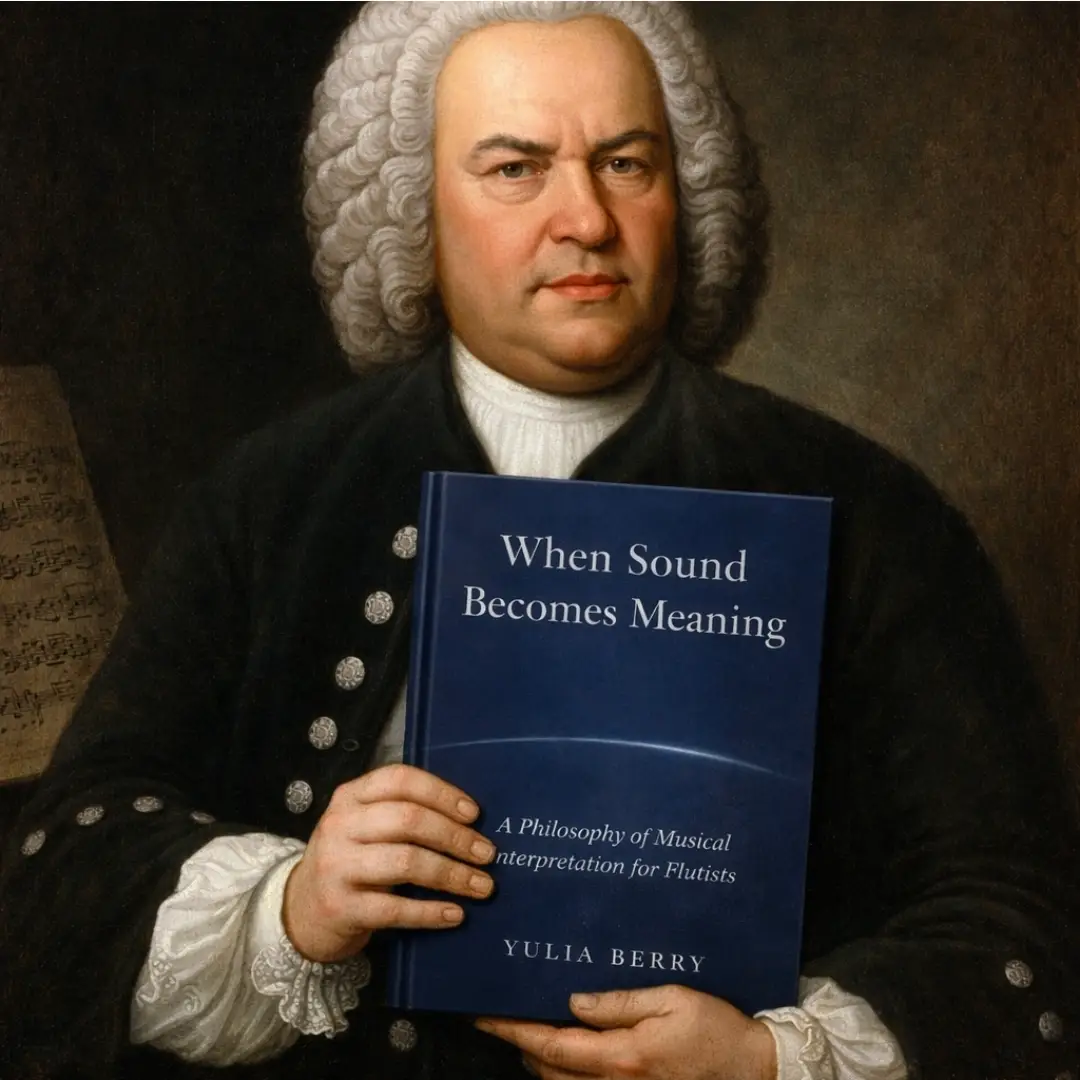
In this sense, Bach is not simply a historical figure within the book’s framework.
He is its inevitable presence.
Bach and the Ethics of Interpretation
What makes Bach so essential today is not only the beauty of his music, but the standard he sets.
His works remind us that interpretation is not an act of self-expression alone, but an act of service:
- service to structure
- service to meaning
- service to something greater than the performer
This idea may feel demanding in a culture that often prioritizes individuality above all else.
But Bach suggests a different path:
- through discipline comes freedom
- through clarity comes expression
- through understanding comes meaning
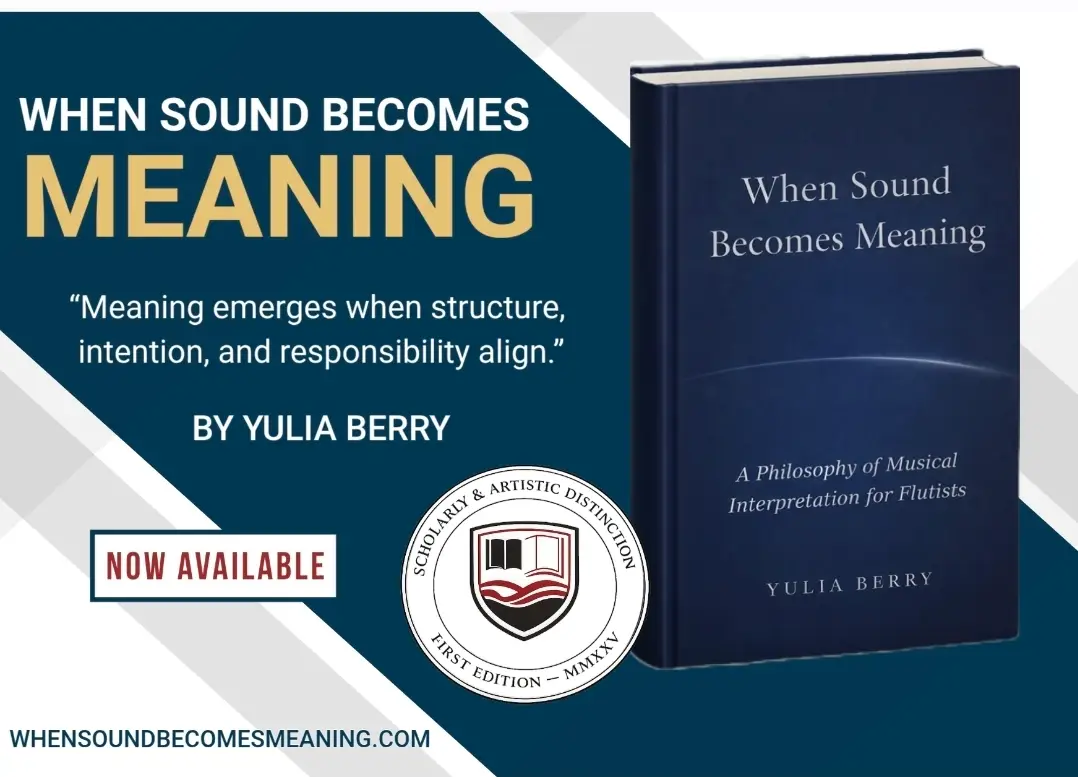
This perspective lies at the center of When Sound Becomes Meaning, a new philosophical work by Yulia Berry.
The book proposes that:
sound is not neutral — it carries direction and purpose
phrasing is not decoration — it is structure in motion
interpretation is not personal freedom alone — it is alignment with the inner logic of the music
A Living Connection
To celebrate Bach’s birthday is not only to look back.
It is to recognize that his questions remain our questions:
What gives music meaning?
How does sound become expression?
What is the responsibility of the performer?
These are not historical questions.
They are urgent, present, and deeply personal.
And they form the foundation of a larger exploration — one that continues beyond Bach, but cannot exist without him.
It is within this space that questions of sound, structure, and perception begin to converge.
From Bach to Today
In this light, When Sound Becomes Meaning is not a departure from tradition, but a continuation of it.
It seeks to articulate — in contemporary language — principles that Bach embodied with extraordinary clarity:
the unity of structure and expression
the hierarchy of musical time
the transformation of sound into meaning
Bach did not explain these ideas in words.
He revealed them in music.
Our task, as performers, is to recognize them — and to bring them to life.
Conclusion
On this day, we celebrate Johann Sebastian Bach not only as a composer, but as a guide.
A guide toward deeper listening.
Toward greater clarity.
Toward a more honest relationship with sound.
Because in the end, Bach reminds us of something essential:
music is not only what we play.
It is what we understand.
This article is part of an ongoing series exploring the ideas presented in When Sound Becomes Meaning.