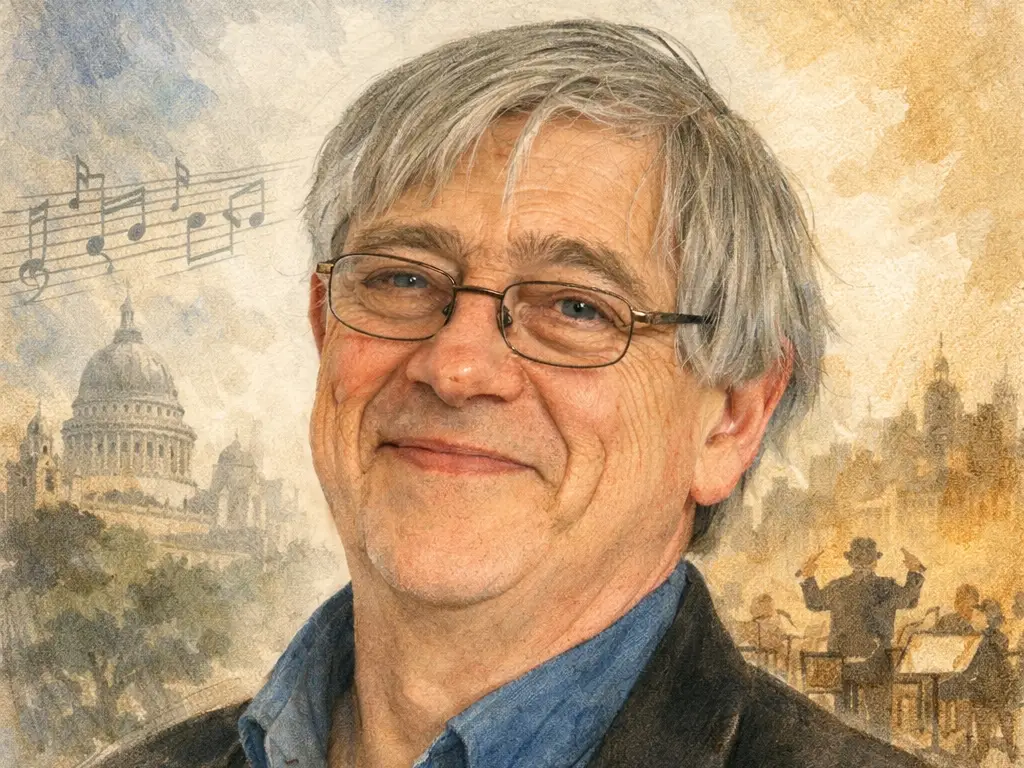
The flute world mourns the loss of Kathryn Lukas, an extraordinary performer, educator, and advocate for contemporary music, who passed away in July 2025. She had only recently retired from her distinguished post as Professor of Flute at the Indiana University Jacobs School of Music, where she left an indelible legacy on generations of students and colleagues.
Known to many as Kate Lukas, she was a force of nature in modern flute performance. Her artistry combined deep intellectual curiosity, expressive power, and an unwavering commitment to new music. Her influence spanned continents, from concert halls and opera pits to recording studios and academic institutions.
Born in 1945 in New Orleans, Louisiana, Kate grew up in Chicago, where she began her musical studies. She earned her degree in music at DePaul University before receiving a Fulbright Fellowship in 1968 that allowed her to study in England. She completed her Master of Music degree at King’s College, University of London, in 1971.

Her career quickly flourished in Europe, where she held faculty positions at the Guildhall School of Music and Drama (where she was later honored as a Fellow) and at the Royal Academy of Music in London. She performed widely as a soloist and chamber musician, and was an active contributor to the flourishing British contemporary music scene of the 1970s and 80s.
She was principal flute of the Santa Fe Opera and served as guest principal flute with some of the most prestigious orchestras in the world, including the Chicago Symphony Orchestra, London Symphony Orchestra, English Chamber Orchestra, Academy of St. Martin-in-the-Fields, and the Royal Opera House at Covent Garden. These appointments reflected her exceptional versatility and musical insight.
Kathryn Lukas’s career was especially defined by her deep connection to contemporary music. She worked closely with leading composers such as Luciano Berio, Iannis Xenakis, Thomas Adès, Elvis Costello, Harrison Birtwistle, and Peter Maxwell Davies. She championed new works through collaborations with ensembles such as the Composers Ensemble, Music Theatre Wales, and Dreamtiger—the latter a pioneering group that included cellist Rohan de Saram, pianist Peter Hill, and composer/pianist Douglas Young. Their album East-West Encounters (Cameo Classics, now reissued by Nimbus Records) is a testament to Lukas’s expansive musical vision.
In addition to her work in classical and experimental circles, Lukas made a brief but notable foray into the world of punk music, contributing flute tracks to Wire’s influential albums Pink Flag (1977) and Chairs Missing (1978)—a reminder of her fearless openness to musical boundaries.
Her voice was heard far beyond the concert hall. She recorded and broadcast extensively for the BBC, Radio France, and German radio stations, and released albums with Nimbus and Wergo that showcased her affinity for the bold, the lyrical, and the avant-garde.
As a teacher, Lukas was as revered as she was inspiring. At Indiana University, she shaped the artistic paths of hundreds of young flutists, combining rigor with warmth, and innovation with deep respect for tradition. Her commitment to mentoring and commissioning new works ensured that the flute repertoire – and its future – remained vibrant and relevant.
Kathryn Lukas’s passing marks the end of an era for contemporary flute performance. Yet her legacy endures – in the music she commissioned, the recordings she made, the students she nurtured, and the fearless artistry she embodied.
Flute Almanac joins the global flute and contemporary music communities in paying tribute to a singular artist whose life was devoted to pushing musical boundaries and elevating the expressive power of the flute.