For musicians and performing artists from around the world, the United States offers immense artistic potential – a vast network of venues, professional connections, and exposure to one of the world’s most influential cultural industries. However, entering this market requires more than artistic skill. It demands careful navigation of legal and financial systems, especially around immigration and taxes.
If you’re an international performer aiming to appear on a U.S. stage, it’s essential to understand the logistics involved in working legally and getting paid properly. This article provides an updated guide to the O-1B visa – a common route for artists of extraordinary talent – and the crucial tax responsibilities tied to it.
Understanding the O-1B Visa: For Artists of “Extraordinary Ability”
The O-1B nonimmigrant visa is specifically tailored for individuals who have demonstrated outstanding achievement in the arts. This includes not only musicians but also actors, dancers, directors, designers, and other creative professionals. Unlike the P-1 visa, which is often reserved for members of internationally recognized performance groups, the O-1B is particularly useful for soloists or freelancers working across multiple projects or employers.
To be considered eligible, you must show sustained national or international acclaim. U.S. Citizenship and Immigration Services (USCIS) defines this as a level of distinction that signifies a prominent place in the field of endeavor.
Key Eligibility Criteria
To qualify, artists must meet at least three of the following criteria (though more is advisable to strengthen your case):
- Evidence of starring or lead roles in productions/events with distinguished reputations
- National or international awards of excellence in the field
- Critical press, published articles, or scholarly materials featuring your work
- Invitations to participate with well-established organizations or institutions
- Membership in associations requiring outstanding achievement
- Positive reviews from experts or critics in the field
- Documentation of significant income or remuneration for your services
- Support letters from reputable experts attesting to your influence and success
✅ Tip: Most successful applicants submit six or more of these evidentiary categories. Thorough documentation is key.
Application Requirements: What You’ll Need
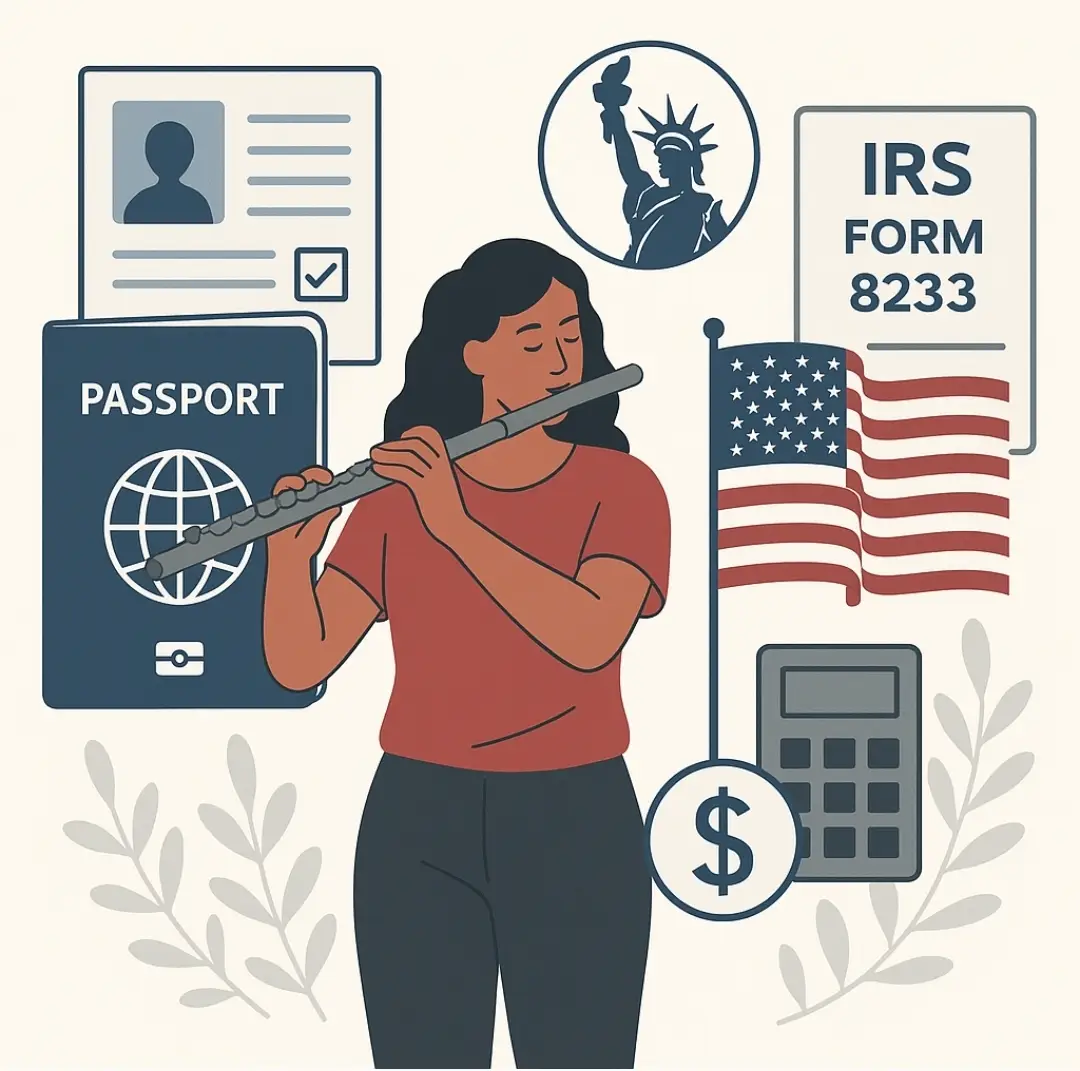



Applying for an O-1B visa is a multi-step process requiring organized documentation and the support of a U.S.-based sponsor. Here’s what you need:
- U.S. Petitioner: A sponsor must file the petition on your behalf. This can be a manager, presenter, agent, or organization.
- Confirmed Itinerary or Contract: You must present a list of engagements or performances during your intended stay. These may span several venues or presenters.
- Letters of Recommendation: Six to ten reference letters from recognized professionals or institutions who can vouch for your significance in the field.
- Union Consultation: In most cases, especially for musicians, a written opinion from the relevant U.S. labor union is required. For flutists and instrumentalists, this is often the American Federation of Musicians (AFM).
- Legal Representation: An experienced immigration attorney can compile and file your petition, ensuring that everything meets USCIS standards.
Once approved, the O-1B visa is typically valid for up to three years and may be extended in one-year increments if more engagements are added.
🔄 Note: If your itinerary changes significantly after the visa is issued, an amendment to the petition may be required.
Processing Timeline and Costs
Because of the complexity and potential for delays, you should begin preparing at least 4 to 6 months in advance of your first performance date. Below are typical costs:
- Legal fees: $3,000 to $10,000 (depending on lawyer and case complexity)
- USCIS filing fee: $460 (Form I-129)
- Premium Processing (optional): $2,800 (guarantees a decision within 15 calendar days)
- Union consultation fee: Around $250 (varies by union)
- Miscellaneous fees: Document translation, courier services, printing, and postage
🎯 Strategic Advice: Consider using premium processing if your performance date is near or if you’re juggling multiple engagements.
Tax Obligations for Foreign Artists
Securing a visa is only part of the process. International artists must also comply with U.S. tax laws. In most cases, the Internal Revenue Service (IRS) requires 30% withholding on payments made to nonresident artists for performances in the U.S.
However, there are ways to reduce or eliminate this withholding:
- Tax Treaties: The U.S. has tax treaties with many countries that allow for reduced or exempt withholding on certain types of income. You must provide documentation (such as IRS Form 8233) to claim these benefits.
- Central Withholding Agreement (CWA): For artists earning over $10,000 in a calendar year, a CWA allows for customized withholding arrangements. This agreement is negotiated with the IRS and must be approved in advance.
- Individual Taxpayer Identification Number (ITIN): Most presenters will require you to have an ITIN before issuing payment. Apply early to avoid delays.
📎 Forms to Know:
- Form 8233: To claim tax treaty benefits
- Form W-8BEN: For nonresident individuals receiving compensation
- Form SS-5: Application for a Social Security Number (in rare cases)
Final Thoughts: Plan, Prepare, Perform
While the process may seem daunting, the rewards of performing in the United States can be substantial – both artistically and professionally. Understanding visa and tax requirements in advance helps prevent disruptions and ensures you’re paid fairly and legally for your work.
Artists who take the time to prepare thoroughly – by gathering documentation, working with experienced legal counsel, and complying with tax procedures – position themselves for successful and stress-free engagements on American soil.
Additional Resources
- U.S. Citizenship and Immigration Services (USCIS) – O-1 Visa Overview
- American Federation of Musicians (AFM) – Visa Guidelines
- IRS – Artists and Entertainers Guidelines