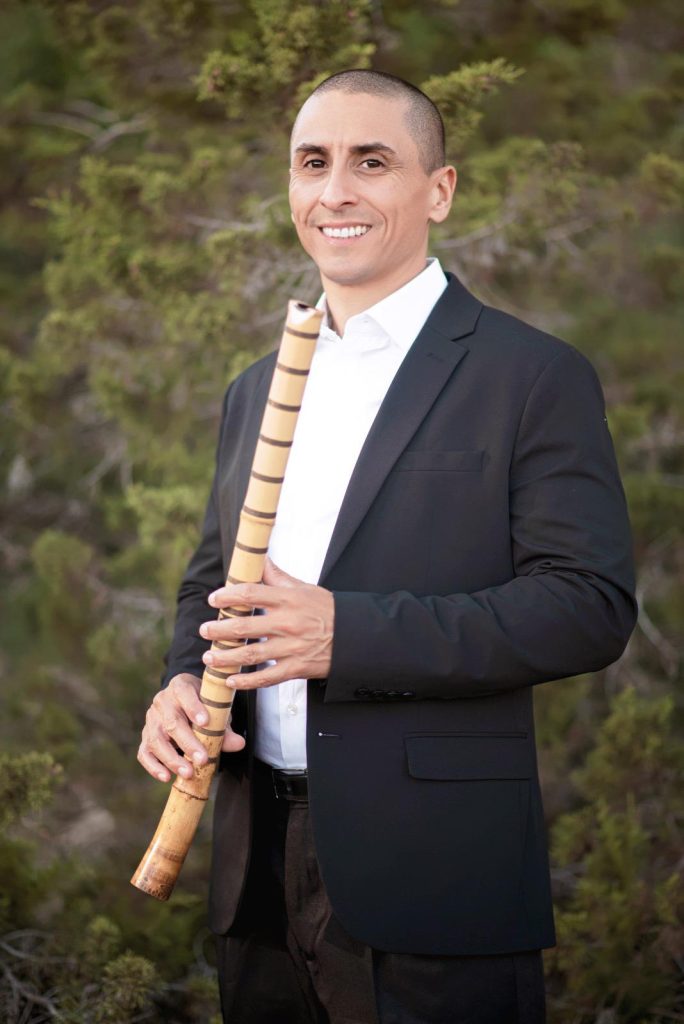
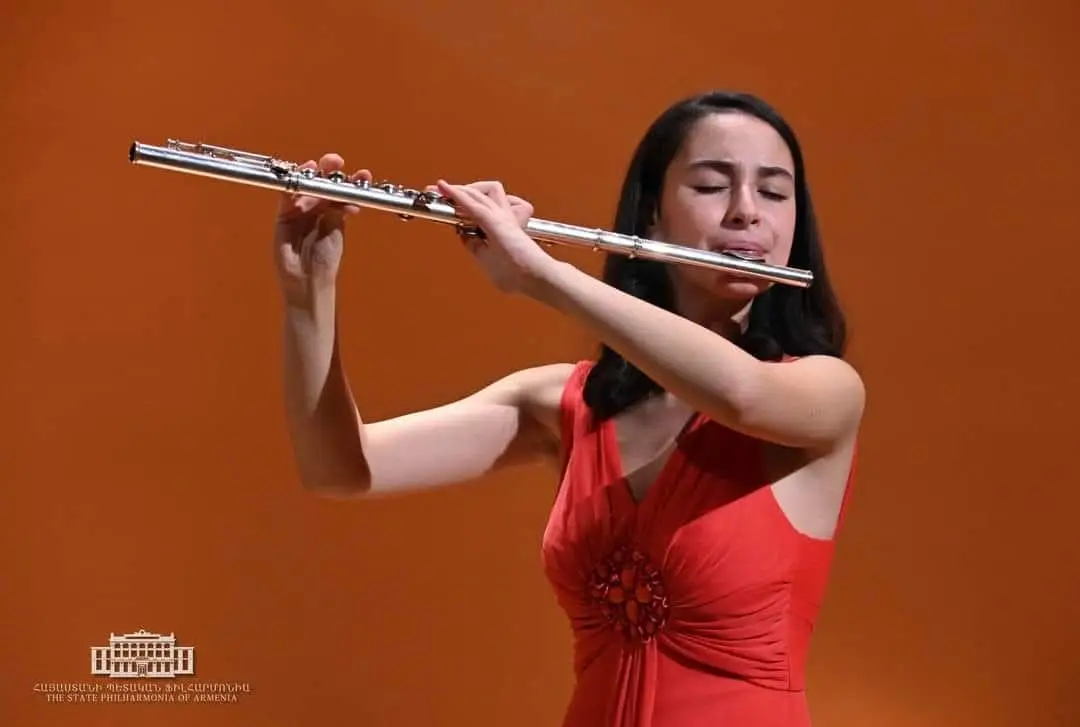
As a flutist trained in Western classical traditions, my discovery of the shakuhachi – the traditional Japanese bamboo flute – marked a profound turning point in both my artistic and personal life. This ancient instrument, rooted in centuries of meditation and spiritual practice, introduced me to a new musical philosophy: one that honors breath, silence, and the spaces between notes as much as the notes themselves.
The shakuhachi’s history stretches back over a millennium. Originally played by Buddhist monks to aid meditation and mindfulness, the instrument embodies a philosophy where sound and silence coexist, inviting deep introspection. In contrast to the Western flute – designed largely for technical virtuosity and melodic clarity – the shakuhachi encourages an intimate dialogue between the player’s breath and the instrument’s natural shape. It embraces imperfection and subtlety, allowing for a rich palette of tonal colors and emotional depth.
Learning to play the shakuhachi was a humbling challenge. Its unique blowing technique demands precise control of breath and embouchure. Even producing a single clear note requires patience, mindfulness, and a tactile sensitivity that fosters a deep connection between body and sound. This physical and spiritual intimacy has expanded my understanding of music as a living, breathing conversation.
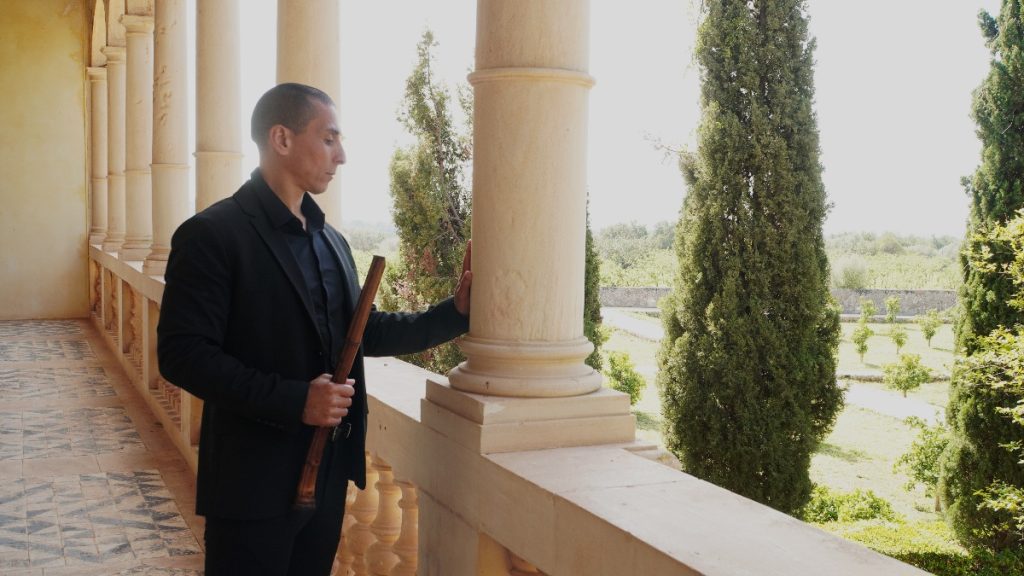
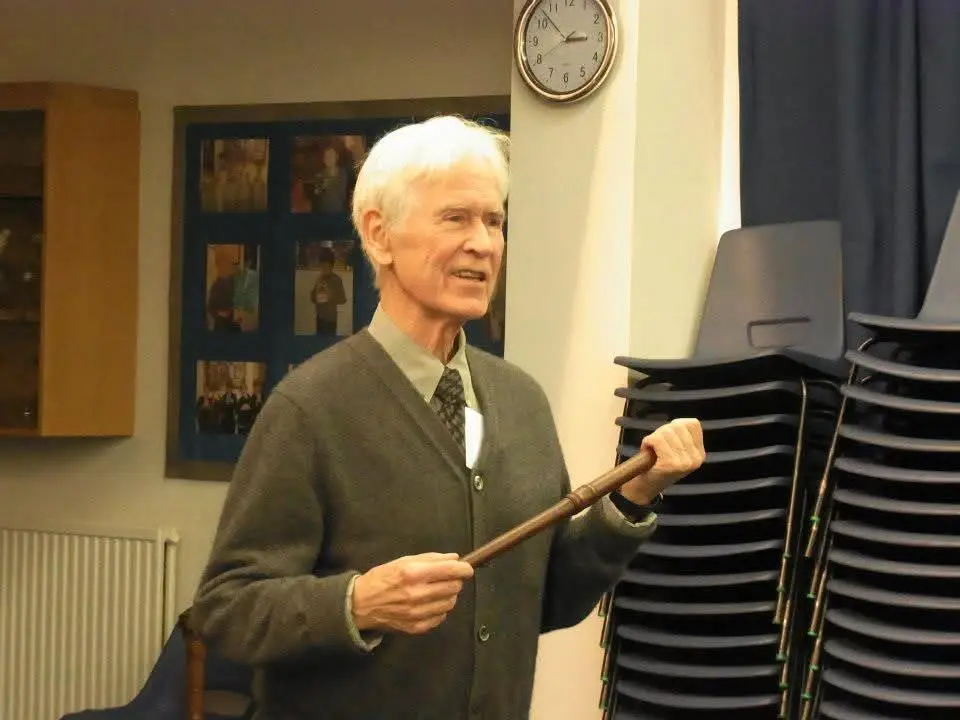
My studies with Master Kohachiro Miyata, one of the foremost contemporary shakuhachi masters, deepened my appreciation not only of the instrument’s technical discipline but also of its spiritual roots. The shakuhachi is more than a musical instrument – it is a bridge connecting music, nature, and meditation, a vessel carrying centuries of tradition into the present moment.
Integrating the shakuhachi into Western classical music presents both challenges and exciting opportunities. These traditions speak different musical languages, yet share the universal goal of expressing profound human emotion through sound. I have endeavored to create a dialogue between these worlds by adapting Bach and other Western composers for the shakuhachi, exploring how its unique timbre can enrich chamber music and contemporary compositions.
Rodrigo Rodríguez
www.rodrigo-rodriguez.info | Instagram | YouTube
Rodrigo Rodríguez (b. 1978, Argentina) is a shakuhachi performer and composer internationally recognized for bridging Eastern and Western musical traditions. Raised in Spain from a young age, he began studying modern and classical music early in life, developing a deep curiosity for world instruments and musical cultures.
Initially trained in classical guitar, Rodrigo’s career took a decisive turn when he encountered the shakuhachi, the traditional Japanese bamboo flute. Captivated by its meditative tone and spiritual depth, he traveled to Japan to study with esteemed masters, including Kakizakai Kaoru of the Katsuya Yokoyama lineage at the International Shakuhachi Kenshūkan School. He later continued his studies with the renowned Kōhachirō Miyata, focusing on both classical (koten honkyoku) and contemporary shakuhachi repertoire.
Rodrigo’s music draws from diverse influences, ranging from traditional Japanese music to contemporary, New Age, and world music. His compositions and performances reflect a deep respect for tradition combined with a commitment to innovation. His albums have received international attention, including his 2006 release Inner Thoughts, which led to a licensing deal with Gemini Sun Records in Los Angeles.
He has performed widely in both the East and West, including appearances at the Imperial Hotel Tokyo, NHK Culture Center, and Brooklyn Botanic Garden’s Sakura Matsuri Festival in New York. In 2011–2012, he was invited by the Russian Ministry of Culture and the Tchaikovsky Conservatory to perform at the XIV International Festival The Soul of Japan in Moscow.
In 2018, he released The Classical Music Legacy of Japan, which features a wide-ranging repertoire of Japanese classical music, as well as an arrangement of Spain’s iconic Concierto de Aranjuez for shakuhachi and classical guitar. That same year, he released Shakuhachi: The Zen Flute (The Distant Call of the Deer)—a collaboration with his teacher Kōhachirō Miyata that includes the legendary piece Shika no Tōne.
Rodrigo continues to explore the expressive potential of the shakuhachi in solo and collaborative projects, inviting audiences into a space of reflection, breath, and intercultural dialogue.