We live in an age of unprecedented access to information — and unprecedented difficulty in understanding it.
Announcements are constant. Images are abundant. Soundbites travel fast.
Yet the more quickly information circulates, the less meaning it often carries.
For serious artistic, educational, and research-based projects, this creates a fundamental challenge: visibility without understanding.
The Short-Attention Problem
Digital culture favors speed, immediacy, and reduction. Complex ideas are compressed into captions; years of work are summarized in a single image or post.
What is lost is not information, but context.
Context explains:
- Why a project exists
- What traditions or questions it responds to
- How it fits within a broader artistic or historical landscape
Without context, even important work risks being misunderstood — or simply overlooked.
Information Is Not Meaning
In the arts, information alone is rarely sufficient.
A name, a title, or a release date tells us that something exists.
It does not tell us why it matters.
Meaning emerges only when information is placed within a framework:
- Artistic intent
- Historical background
- Aesthetic or technical choices
- Cultural or pedagogical relevance
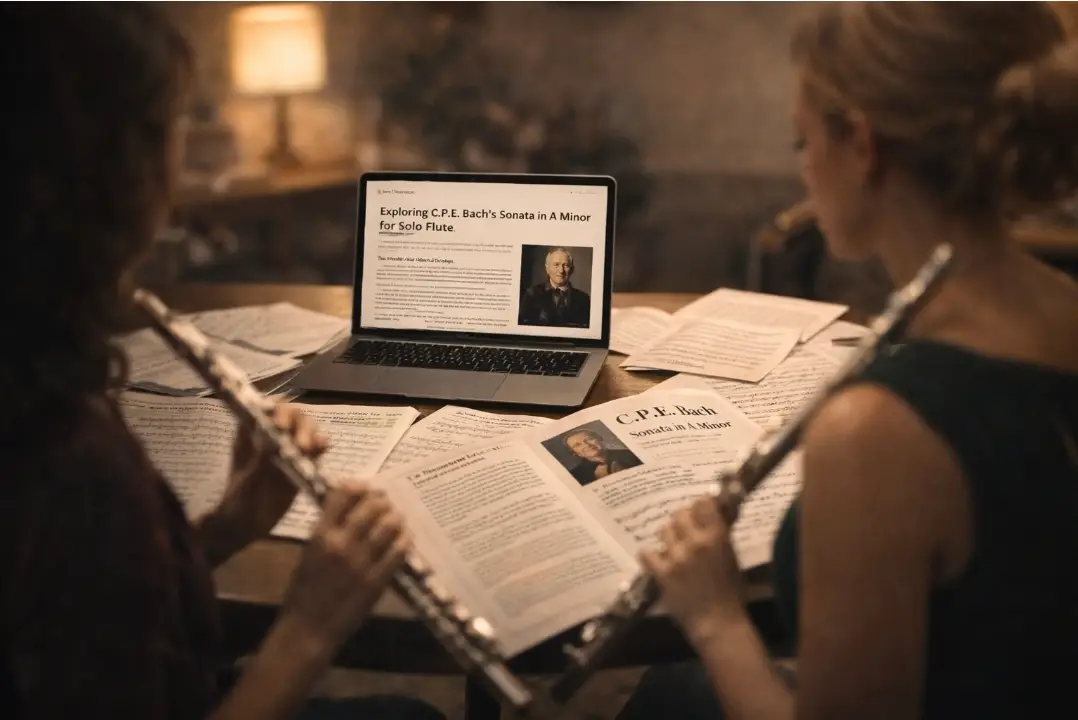
This is where long-form editorial storytelling becomes essential.
Long-Form Storytelling as Interpretation
Long-form editorial writing is not about length for its own sake.
It is about interpretation.
By allowing space for nuance and reflection, long-form formats can:
- Clarify complex ideas
- Connect past and present
- Reveal processes that are invisible in short formats
- Offer readers a coherent narrative rather than fragments
This approach respects both the subject and the audience.
In-Depth Interviews: Context Through Conversation
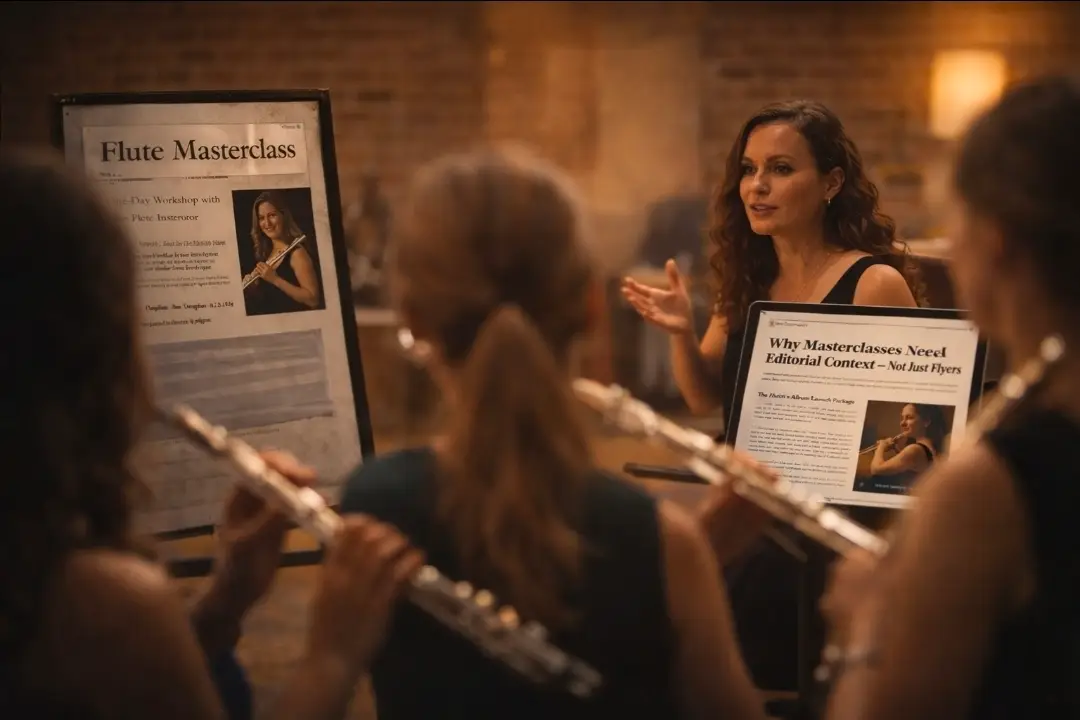
In-depth interviews offer context through voice.
Rather than extracting quick quotes, they allow artists, composers, makers, and educators to:
- Articulate their thinking
- Explain motivations and influences
- Reflect on long-term development rather than isolated outcomes
The result is understanding — not just exposure.
An interview becomes a document of thought, not a promotional exchange.
Research-Based Articles: Framing Knowledge


Some projects require more than personal narrative.
They require research.
Research-based articles situate work within:
- Historical lineages
- Scholarly discourse
- Technical or methodological frameworks
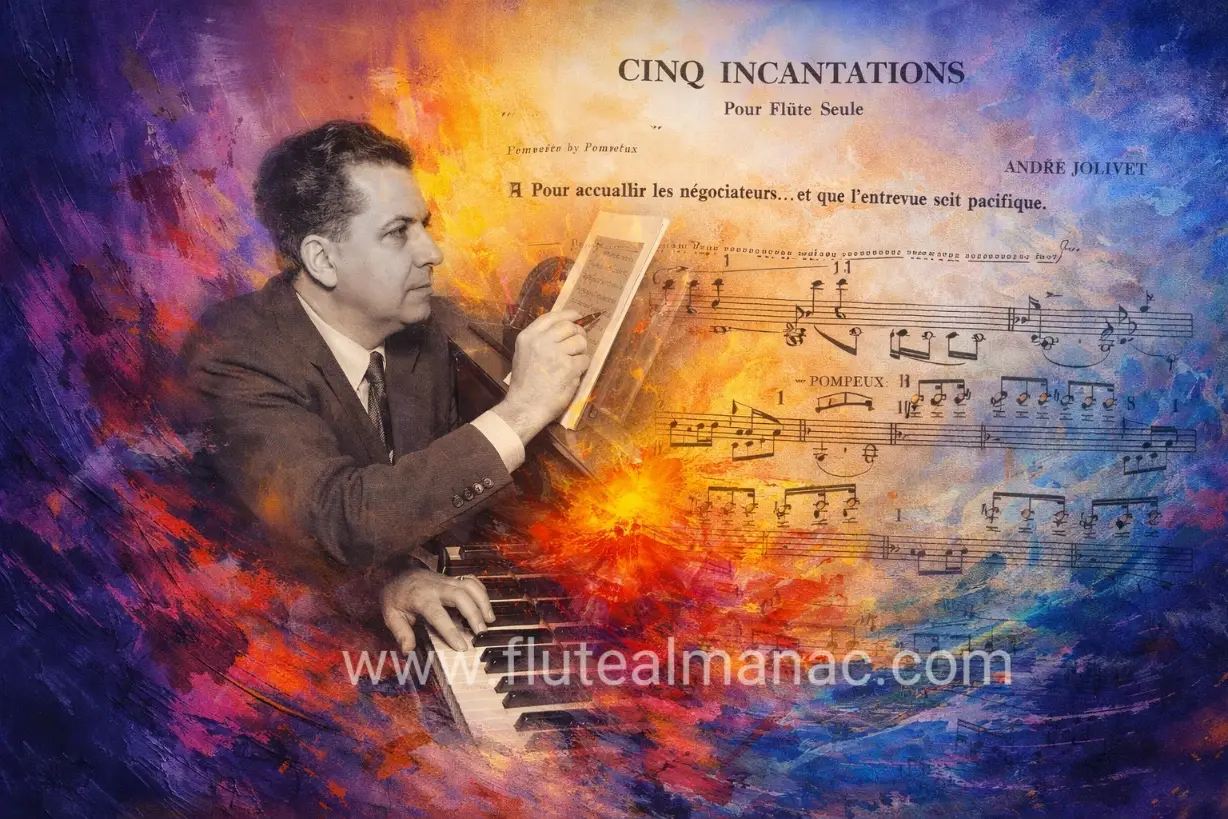
They transform isolated facts into structured knowledge, making complex material accessible without oversimplifying it.
This is particularly vital in fields where depth, accuracy, and preservation matter.
Composer & Maker Features: Seeing the Whole Picture
Composer and maker features provide context by revealing process.
They explore:
- Creative decisions
- Materials and methods
- Aesthetic philosophies
- Long-term evolution of work
By doing so, they allow audiences to understand not just what was made, but how and why it came into being.
This depth cannot be conveyed through brief announcements alone.
Why Context Matters More Than Ever
In a fast-moving digital environment, attention is fleeting — but understanding is durable.
Projects that are contextualized:
- Are taken more seriously
- Are remembered longer
- Contribute meaningfully to the cultural record
Context does not slow work down.
It allows it to be understood.
When Context Becomes a Responsibility
Providing context requires time, expertise, research, and editorial care.
Long-form interviews, research-based articles, and in-depth features are not incidental — they are deliberate acts of documentation and interpretation.
For this reason, when individuals or institutions wish to present complex projects within an editorial framework, these services are offered as professional editorial services, supporting the work required to do them responsibly.
What is supported is not promotion, but clarity, depth, and understanding.
Context Transforms Information into Meaning
In the end, serious projects do not ask only to be seen.
They ask to be understood.
Context is what makes that possible.
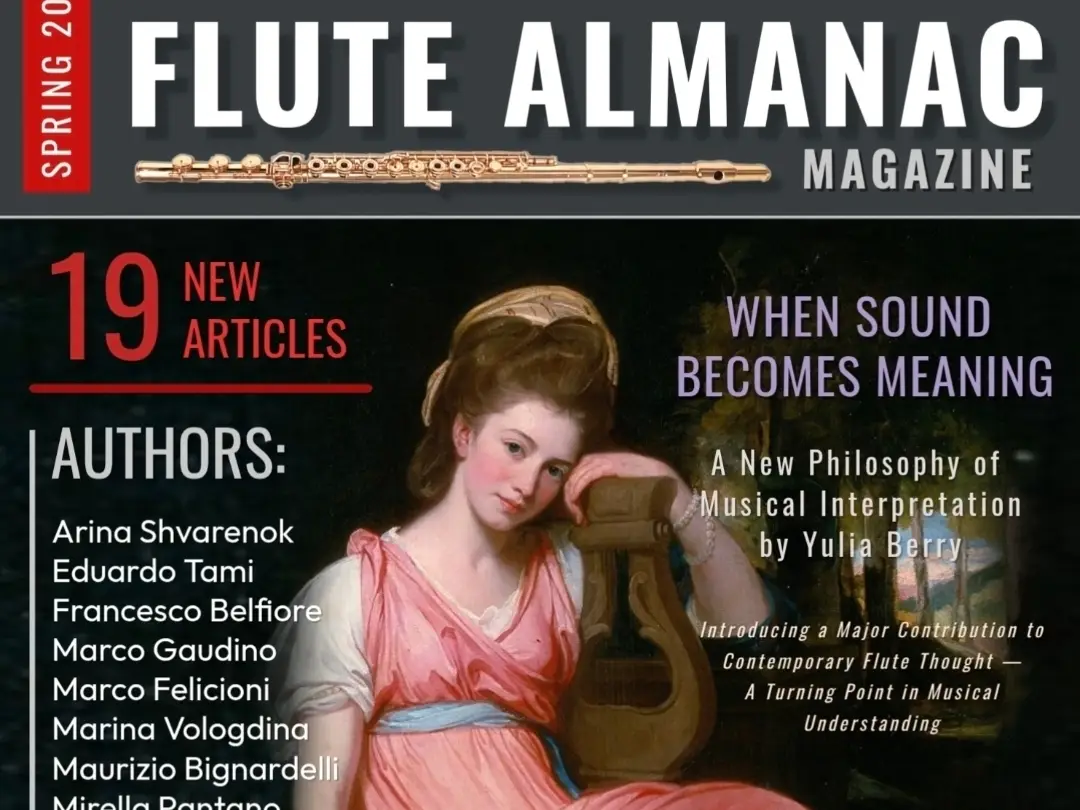
Flute Almanac’s editorial services exist to support projects that require time, research, and thoughtful presentation beyond short-form formats.
Recommended products
Premium Promotion Package
$399.00Long-Term Promotional Package – 6 months
$649.00Enhanced Product Review/Article
$199.00


This article is part of an ongoing Flute Almanac editorial series exploring visibility, recognition, and professional presence in the flute world. Future articles will examine discoverability, documentation, and the role of editorial platforms in preserving artistic work.