We are delighted to announce the release of 100 Years of Australian Flute Music on the Wirripang label (Wirr 131). This extraordinary digital album, featuring internationally acclaimed flutist Laura Chislett and distinguished pianist Stephanie McCallum, charts a century of Australian composition for the flute from 1924 to 2024.
With 13 works by 11 composers, including 9 world premiere recordings, this collection reveals the richness, diversity, and evolution of the Australian flute repertoire — much of it rarely heard before.

A Century of Sound
The program reflects the breadth of Australia’s cultural and musical identity:
- Early voices like Esther Rofe (A Lament, Scherzo), Peggy Glanville-Hicks (Sonatina), and Mirrie Hill (The Dancing Fawn) echo the English and French influences of the interwar period.
- Avant-garde explorations appear in Nigel Butterley’s Richard’s Prelude, a touching tribute to Richard Meale, and Gerald Glynn’s Goya Gallery, inspired by the Spanish painter.
- Contemporary works bring daring soundscapes and new techniques: Liza Lim (bioluminescence, Lucid dreaming), Jane Stanley (On Bright Air), Sharon Calcraft (Mottenflug), Aristéa Mellos (Sonatina), and Keyna Wilkins (The Old Window). These pieces engage with themes of nature, place, political testimony, and visionary experimentation.
As Dr. Rachel Campbell of the Sydney Conservatorium of Music notes in her illuminating commentary on the recording:
“The music recorded here spans a century of developments in the way the flute is used and what it can express, and touches on major themes and dimensions of Australian composition.
There are pieces by expatriates (Gerald Glynn, Jane Stanley), Australians born overseas (Aristéa Mellos in Crete, Sharon Calcraft in Jamaica) and those who spent their lives in Australia (Mirrie Hill). The pervasive influences of English and French music in the 1920s and 1930s are evident in the works of Esther Rofe and Peggy Glanville-Hicks.
More storiesThe latter’s Sonatina also ventures into the neoclassicism of the Paris environment in which she was immersed during its composition, making the piece part of a wider neoclassical tendency in mid-century Australian music. Hill’s The Dancing Fawn is a character-filled miniature, like the works of so many of her generation. Nigel Butterley’s tribute to Richard Meale sees one member of the Australian musical avant garde reflecting on the music of another, filtered through memories of perhaps its defining moment, the 1960 performance of Meale’s Flute Sonata.
Bandt’s Back to Ubud is a meditation on a Southeast Asian place and Glynn’s Goya Gallery on the art of a Spanish painter. Lim’s bioluminescence, Stanley’s On Bright Air, and Calcraft’s Mottenflug, in addition to Bandt’s piece, engage with natural phenomena and environments.
And the final four works bring us to creative preoccupations evident in 2024: from Lim’s restless, formally complex whirls, bends, and multiphonics, Mellos’ lyricism and atmospheric harmonies, the arresting gestures of Calcraft’s moths, to Wilkins’ politically charged testament to the vicious cruelty of Australia’s o shore detention regime.
The 100 year span of the recording also charts increasing expressive and technical demands on the flute and the flautist. The early pieces here are straightforwardly melodic with additions of runs and trills.
The later works have much greater variation in intensity, tone, and dynamics. They require the flautist to take on the difficulties of longer phrases, varied vibrato, rapid trills and flutters, and play minute gradations in pitch (microtones) and more than one note at once (multiphonics).
In addition to these techniques, Calcraft’s Mottenflug specifies unusual fingerings and rapid alternations of the fingers to produce unstable wobbling and warbling sounds evoking moths in flight. In contrast, Glynn’s more austere approach invites the player to shape the sound expressively, and Laura Chislett uses vowel sounds to shape the breath, adding layers alluding to vocal expression.
Keyna Wilkins’ approach draws on her expertise as a flautist as she shapes the flute’s sounds to poignant effect, as well as adding a further dimension whereby the player speaks Mohammed Ali Maleki’s poetry.”

Laura Chislett: A Masterful Interpreter
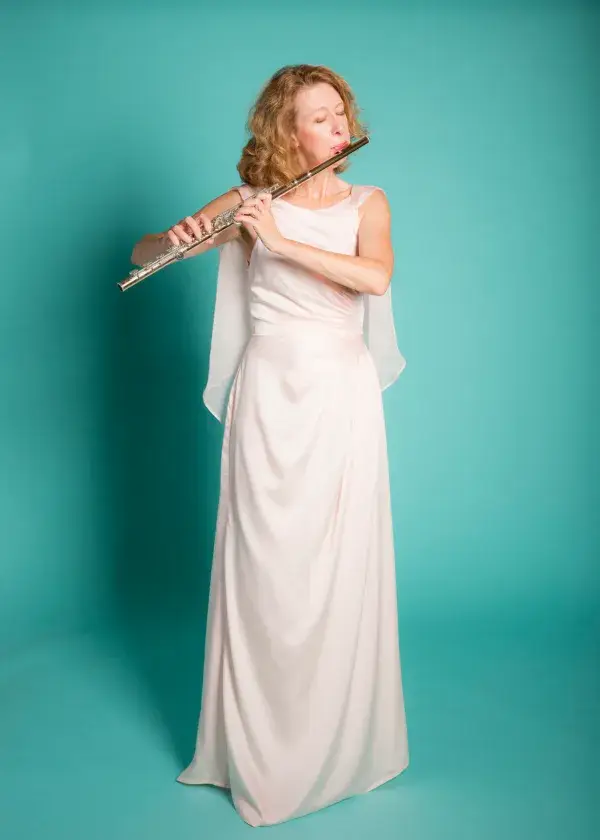
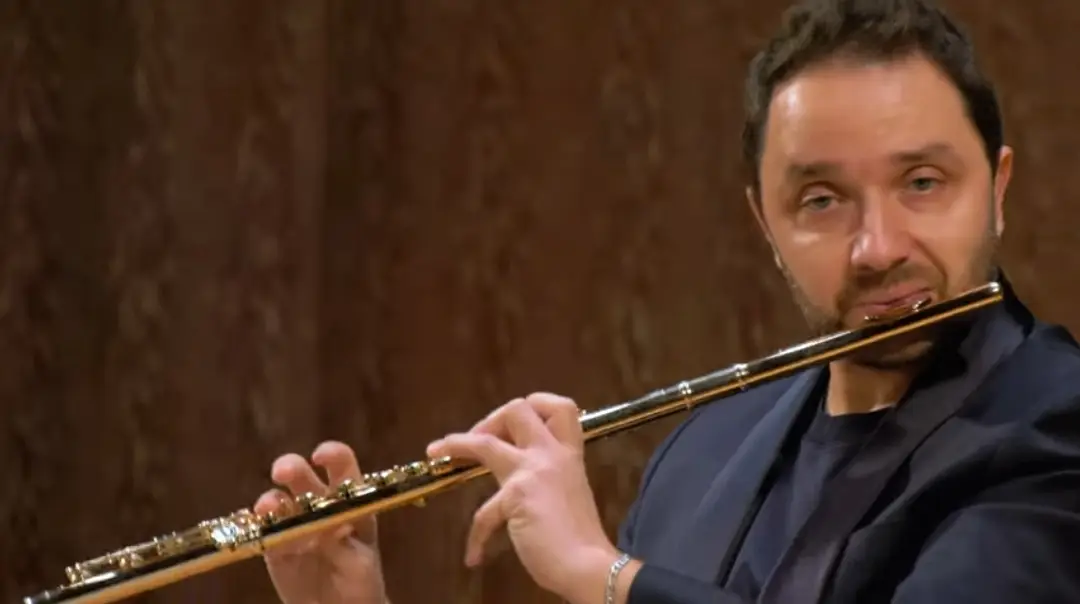
Laura Chislett’s artistry elevates this recording into a landmark event. Her command of extended techniques — microtones, multiphonics, flutter tonguing, and timbral shading — is matched by her lyrical phrasing and expressive depth. She seamlessly moves from the refined lyricism of Glanville-Hicks to the restless whirls of Lim and the politically charged intensity of Wilkins.
Her collaboration with pianist Stephanie McCallum brings further nuance and character, balancing clarity with bold colors, ensuring that each composer’s voice emerges distinctly yet within the broader tapestry of Australian musical history.
Significance of the Album
This album is more than a recording — it is a chronicle of Australian flute history. By bringing together expatriate, immigrant, and Australian-born composers, it highlights the multiplicity of voices that have shaped the nation’s musical landscape. It also serves as an invaluable resource for performers, scholars, and listeners eager to discover a repertoire that has too often remained in the shadows.
With its rare works, world premieres, and commanding performances, 100 Years of Australian Flute Music will undoubtedly become a reference point for the study and appreciation of flute music worldwide.
📀 Explore the album: